To bathe a puppy, prepare a nonslip surface, lukewarm water, towels, and a suitable dog shampoo if needed. Wet the body gently, wash without scrubbing, keep water away from the face and ears, rinse thoroughly, and dry carefully. The AKC’s grooming guidance supports a gradual, gentle approach rather than rushing through the wash.
A useful bath is one your puppy can manage comfortably. This guide explains the practical sequence once cleaning is needed. For questions about readiness or a very young puppy, start with when to give a puppy their first bath and ask your veterinarian about individual concerns.
What should you prepare before bathing a puppy?
Prepare the bathing space before bringing your puppy in, so you can stay beside them throughout the wash. Keep a soft cloth, towels, water cup, and appropriate products within reach. Use a nonslip surface and plan a secure, supported way in and out without a jump or scramble.
The ASPCA’s grooming advice recommends brushing before bathing and using a nonslip mat where necessary. Check the coat gently rather than pulling at a knot. Ask a groomer about tight mats; PDSA advises owners against tackling mats at home. Make sure the room and dry resting place are ready before the puppy gets wet.
- Prepare dry towels and a clean, soft face cloth.
- Put the cup or gentle water outlet within easy reach.
- Check the shampoo label for dogs and any age instructions.
- Keep the floor and exit route clear and nonslip.
- Arrange a calm helper if safe support requires another adult.
- Have a suitable reward available without using it to hold a frightened puppy in place.
Choose the smallest cleaning job that meets the need. A muddy paw does not always call for a shampoo bath. If cleaning involves a wound, an unknown substance, or a skin problem, ask your veterinary team for advice before choosing a product or method.
Seven steps for a calm puppy bath
Animalia uses the sequence below as an owner’s checklist, not a timed grooming test. The basic wash and rinse steps follow ASPCA guidance for bathing dogs, with extra pauses for a puppy learning about handling. Keep the puppy supported and remain present, even while reaching for a towel.
1. Begin with a dry, comfortable introduction
Let your puppy inspect the bathroom and equipment before water starts running. Keep your hands gentle and allow breaks. PDSA recommends gradual, positive grooming introductions and stopping when the pet is worried. If simply approaching the bathing area causes avoidance, practice an easier dry introduction at another time rather than forcing entry.
2. Check the surface and water
Make sure the mat stays secure when wet and the puppy can stand without sliding. Check that the water feels lukewarm before it touches the coat, as the AKC recommends. Use a gentle flow or a cup. Keep water shallow and avoid making the puppy balance in a deep or unstable container.
3. Wet the body slowly
Start with a manageable patch of the body, then gradually wet the rest if the puppy remains comfortable. Keep water directed away from the eyes, nose, mouth, and ear openings. A separate damp cloth lets you clean ordinary dirt from the face without pouring water over the head. Pause before a small concern becomes a struggle.
4. Use the right product gently
When shampoo is needed, use a dog-specific product suitable for your puppy and follow its label. PDSA warns that human shampoos can irritate dogs’ skin. Massage gently in the direction the coat grows rather than scrubbing. Ask your vet about skin sensitivity, and do not add medicated products or home mixtures to solve an unexplained problem.
5. Rinse until product is gone
Rinse the body carefully, including areas that are easy to miss under the chest and around the legs. The AKC emphasizes thorough rinsing rather than finishing as soon as the coat looks clean. Keep the stream away from the face throughout. If using a suitable conditioner on professional advice, follow its instructions and rinse as directed.
6. Dry with comfort in mind
Have the towel ready before helping the puppy out. Dry gently and keep the puppy in a comfortable indoor space while the coat dries. If you need a dryer for their coat type, ask a groomer how to use it safely and introduce the sound gradually. Do not continue with a noisy tool when your puppy is frightened.
7. Record what would make next time easier
After the puppy is comfortable, note any difficulty with the surface, water sound, handling, or drying. Change that part of the setup before repeating the whole bath. For example, a puppy who disliked the running tap might practice hearing it from farther away while dry. That is a planning example, not a guaranteed way to change fear.
Keep the plan small when your puppy is worried
A bath involves several different experiences, so identify the part that needs practice instead of repeating everything. The table below is Animalia’s practical planning aid. It follows PDSA’s advice to slow down and stop when grooming causes worry. It does not identify a medical or behavioral condition.
| What you notice | Check the setup | Easier next practice |
|---|---|---|
| Avoids the bathroom | Crowding,noise,or approach | Quietly observe from farther away |
| Feet slide | Mat security and wet surface | Fix footing before another wash |
| Moves away from water | Flow,splash,and temperature | A gentle cloth or smaller area if suitable |
| Avoids the brush | Coat discomfort or handling | Ask a groomer about tangles before trying again |
| Startles at the dryer | Noise and airflow | Ask about towel drying and gradual tool introduction |
Avoid using food to lure a frightened puppy into handling they cannot leave. A helper should provide calm, appropriate support rather than pin the puppy down. If routine grooming still cannot be done safely, work with a qualified reward-based professional and a groomer who will take the puppy’s comfort seriously.
How should you handle dirt between full baths?
Use local cleaning when it can remove ordinary dirt without soaking the whole coat. A damp cloth or gentle rinse may be enough for a small muddy area. Brush as appropriate for the coat and keep bedding clean. Persistent odor or changes in the skin call for advice, rather than repeated washing.
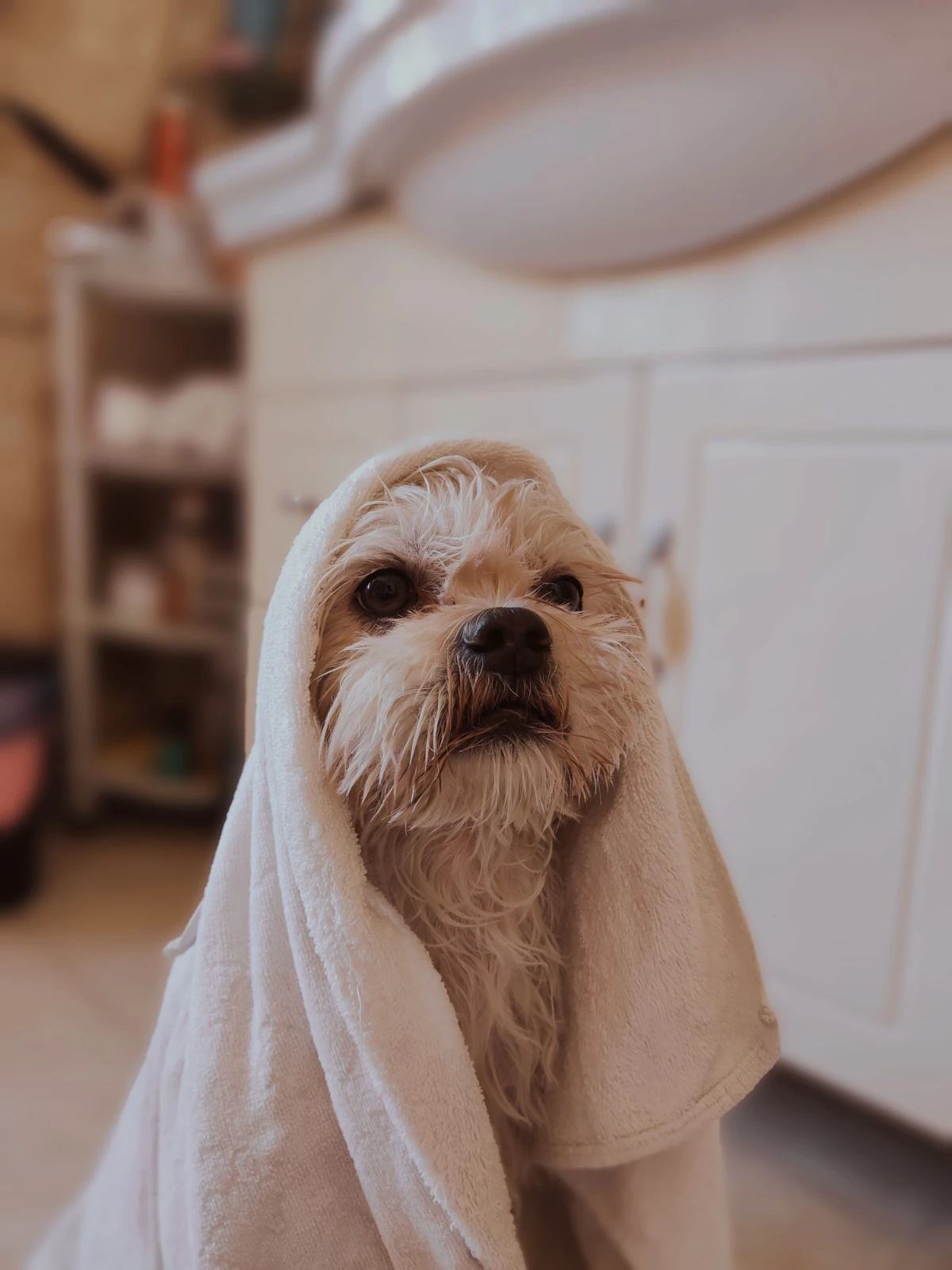
PDSA notes that dogs generally do not need frequent shampoo baths and suggests rinsing ordinary mud with warm water. Coat needs vary, so discuss the routine with your vet or groomer instead of copying another puppy’s calendar. For regular handling practice, start in a comfortable resting space after ordinary care.
Bath preparation should fit the wider care plan. Use our puppy home preparation checklist to organize supplies, and keep the puppy’s resting area available as a comfortable option after drying. A crate should never be used to keep a wet, frightened puppy contained while you leave.
When should you stop and call your vet?
Stop if handling seems painful, the skin looks damaged, or your puppy becomes unwell during or after cleaning. Contact your veterinarian about persistent irritation, unusual odor, discharge, or discomfort. If a potentially harmful substance is on the coat, seek prompt professional instructions rather than experimenting with household cleaners or repeated shampooing.
These are reasons to get an assessment, not a list of diagnoses. Tell the team what product was used, where it contacted the puppy, what you have observed, and when it happened. PDSA recommends veterinary advice for skin or coat changes and concerns about the ears. Keep the product packaging available if the team asks for it.
Frequently asked questions
Can I shower my puppy instead of using a tub?
A shower can work only if the setup is stable, gentle, and comfortable for your puppy. Use a nonslip surface and keep the water flow away from their face and ears. The equipment matters less than safe support and calm handling. If the spray or sound worries them, consider a cup or suitable local cleaning while seeking guidance.
Can I use human baby shampoo on a puppy?
Choose a suitable dog-specific shampoo unless your veterinarian gives different instructions for your puppy. PDSA warns that human products can irritate dogs’ skin, and a gentle label for people does not establish suitability for a pet. Check the dog product’s age guidance and follow its instructions. Ask your veterinary team when you are uncertain about skin sensitivity.
Should I wash my puppy’s face with shampoo?
Use a soft damp cloth for ordinary dirt on the face, keeping product and water out of the eyes and ear openings. Do not pour a rinse over the head or assume that a tearless label makes eye contact harmless. The AKC specifically cautions about these openings. Ask your vet about discharge, sore areas, or dirt that cannot be removed comfortably.
Do I need to use a hair dryer?
Not every routine wash calls for the same drying method. Begin with gentle towel drying and ask a groomer about what your puppy’s coat needs. A dryer adds noise, airflow, and heat that require care. Introduce any necessary tool gradually and stop if your puppy is frightened; do not trade safe handling for finishing the grooming task faster.
What if my puppy gets dirty again tomorrow?
Check what actually needs cleaning before repeating a full shampoo bath. Ordinary mud on a paw may need only a gentle local rinse and drying. If frequent soiling is linked to the toilet routine, review the care setup with our humane puppy potty-training guide. Ask your vet about persistent skin changes or unusual smells rather than washing more often.
Plan the next bath around your puppy
Knowing how to bathe a puppy means preparing well, using gentle handling, and making the rinse and drying comfortable. Note one change that would improve the next experience. Start with the puppy bathing readiness guide if you are uncertain whether a full wash is needed, then discuss coat-specific needs with your vet or groomer.
Sources and editorial notes
Animalia Editorial prepared this guide for everyday care and training decisions, following our Editorial Policy. It does not provide veterinary diagnosis or treatment. Last updated: October 29, 2026.
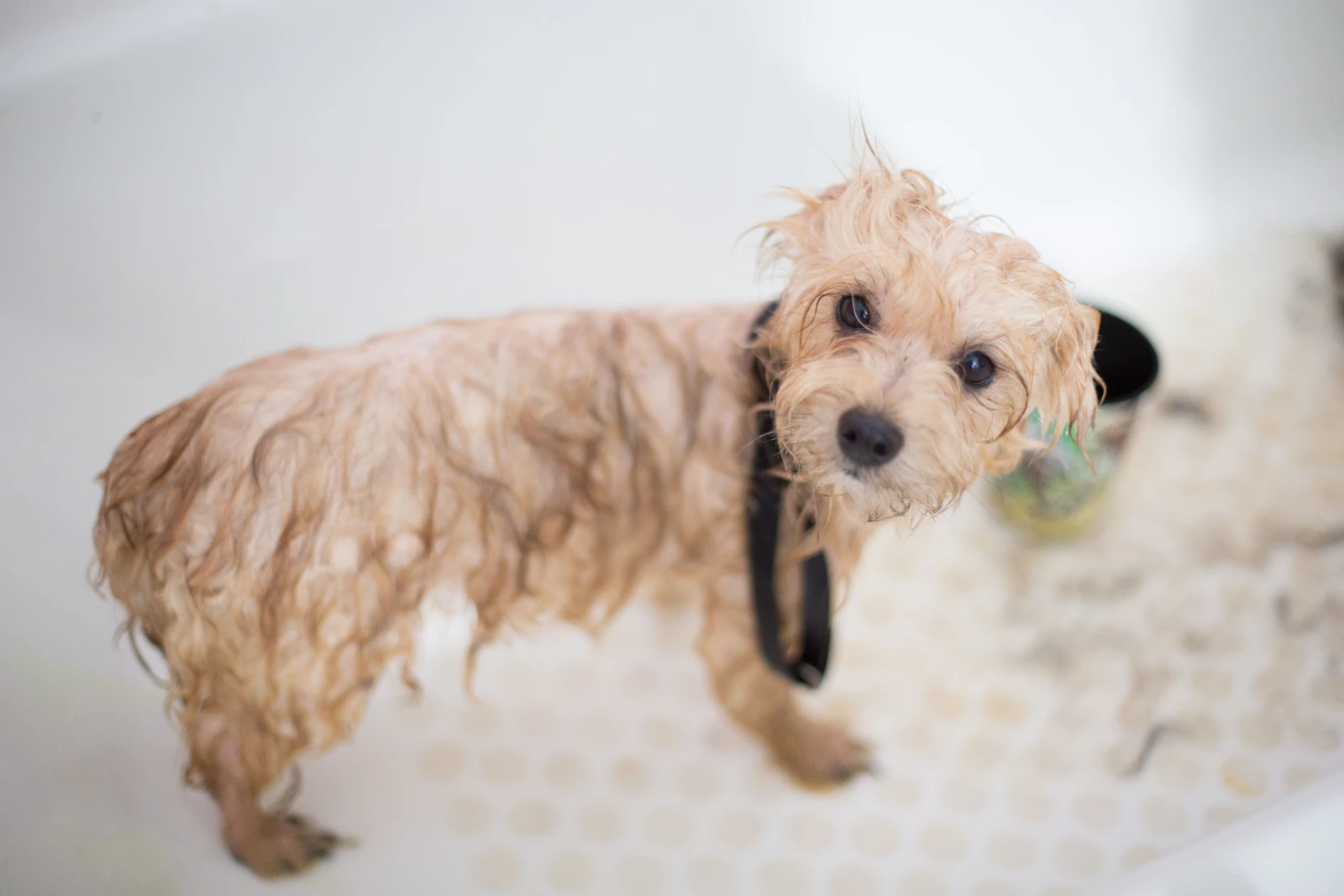
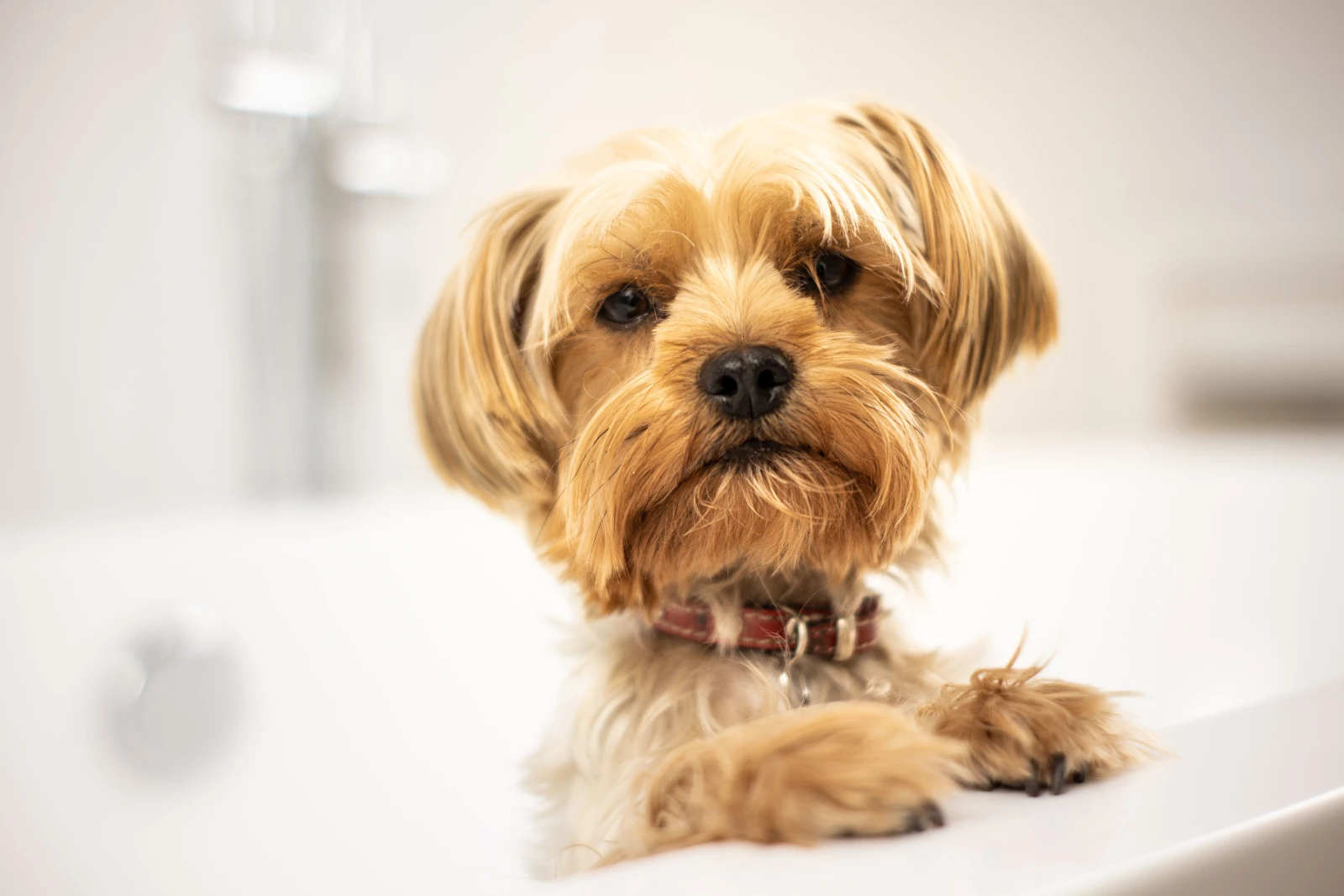
Featured photo: A wet puppy stands in a bathtub. Photo: Benjamin Lehman / Pexels.
Prepared with AI assistance and reviewed against the sources above.