Many cats resist water when it feels unfamiliar, limits their choice to leave, or recalls a bad experience. Feline veterinary guidelines identify novelty, lost control, and learned associations as causes of distress. These explain likely parts of a bath reaction, not one proven cause for every cat. Some cats willingly investigate water.
A cat who drinks from a faucet may still dislike being washed. Watch the setting and what the cat can choose. Respect that preference, keep drinking water easy to reach, and use a gentler cleaning plan when needed.
Why do cats hate water in the bath?
Bathing can combine unfamiliar sensations, running-water noise, slippery footing, and unwanted handling. A cat may want to escape that whole experience rather than avoid every form of water. Previous frightening encounters may also matter. You cannot tell the exact cause from one reaction, and there is no need to recreate it.
The cat-friendly veterinary guidelines describe how loss of control, new sights or sounds, and past learning can shape distress. They focus on veterinary care, rather than testing bath aversion. Applying those principles to a home bathroom is a practical inference: reduce unwanted handling, unfamiliar noise, and trapped situations.
You may read simple explanations about desert ancestors or the feel of a soaked coat. Such ideas do not tell you why this particular cat objects today. A useful response starts with what you can observe and change, without claiming a certain motive.
| What you notice | Possible issue to consider | Humane next step |
|---|---|---|
| Leaves when the tap starts | Noise, movement, or a past association | Let the cat leave; turn off unnecessary noise |
| Tries to climb out when placed in a tub | Loss of choice or unstable footing | Stop the attempt and seek a safer care plan |
| Paws at water but avoids wet fur | Different tolerance for play and being washed | Keep the experience voluntary |
| Freezes during handling | Stillness may reflect fear | Pause; do not assume consent |
| Suddenly resists normal grooming | A change in comfort or health | Arrange a vet check rather than pushing through |
Does liking a faucet mean a cat likes baths?
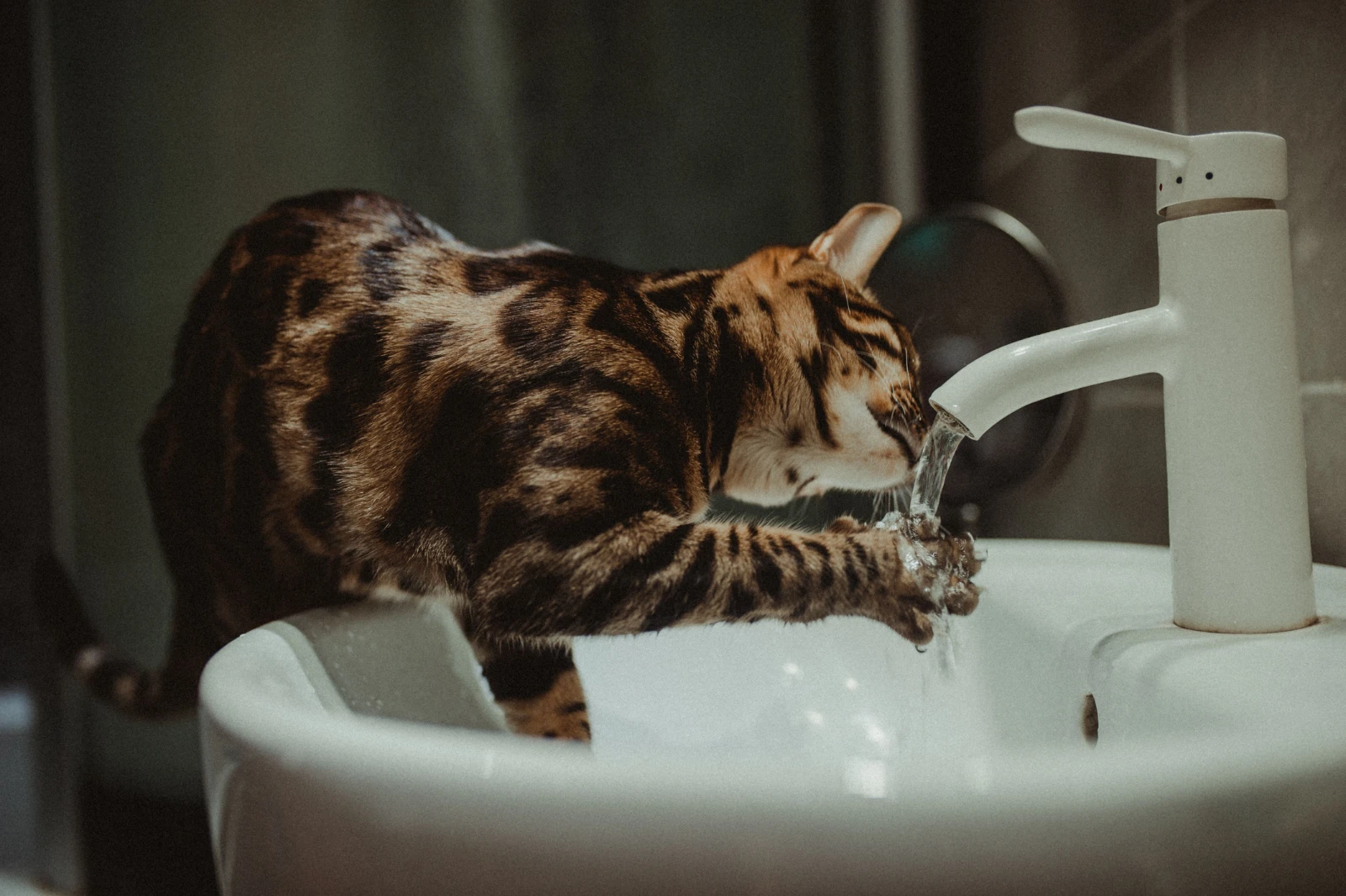
No. Watching, drinking, or touching a little moving water is a different experience from being held and soaked. Look at what your cat chooses while they can move away. Curiosity near a sink does not grant permission for a bath, and a breed label cannot establish an individual cat’s preference.
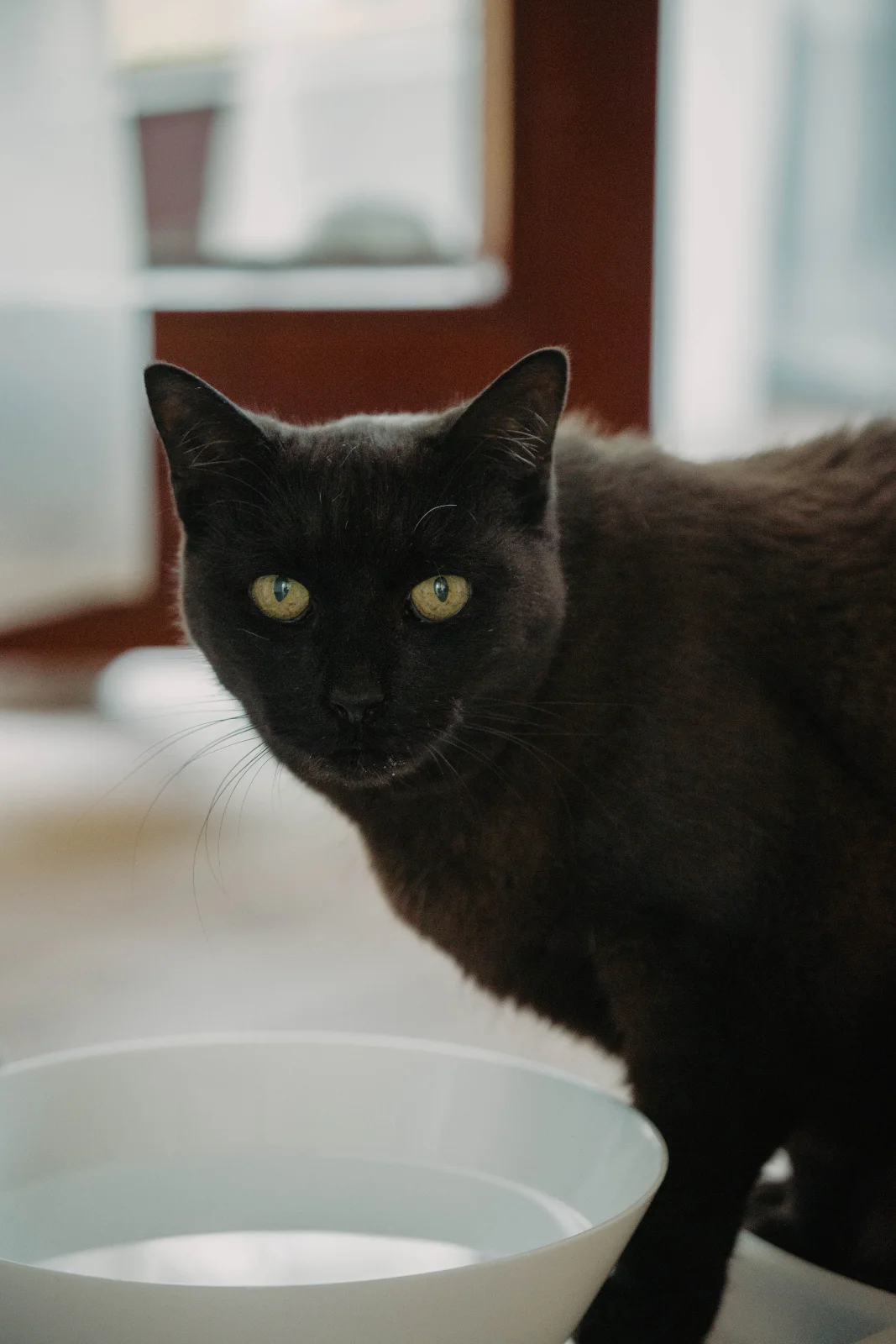
Animalia’s care advice starts with what the cat can choose. Keep a safe way to leave available during ordinary care.
Keep drinking separate from any cleaning practice. Offer a familiar water bowl in a safe place, even if your cat also enjoys a tap. Our cat drinking and water-station guide covers water access. Avoid making a necessary drink depend on entering a room or sink that the cat fears.
If your cat investigates running water, supervise and keep cleaning products out of reach. Do not leave a filled tub or other deep water accessible as an experiment. You do not need a swimming demonstration to learn that a cat enjoys watching a drip.
Choose the least stressful cleaning option
Most cats who groom themselves do not need a routine bath. Cats Protection recommends gentle grooming and notes that a warm damp cloth can often remove ordinary dirt. Start with the smallest task needed. If the coat has a potentially toxic substance on it, call your vet immediately for instructions.
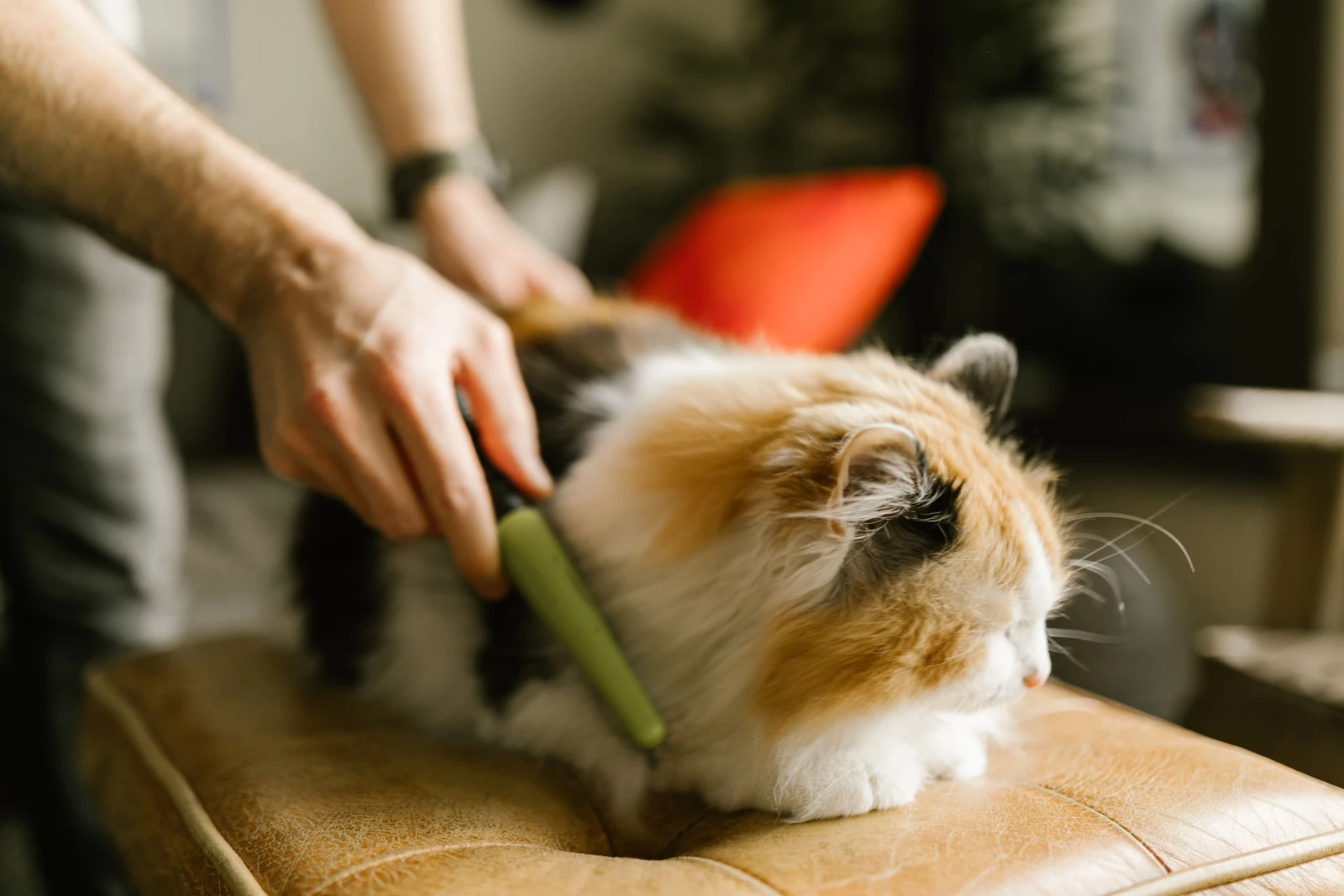
For routine coat care, use a brush or comb the cat accepts. Cornell recommends regular brushing or combing to help keep a cat’s coat clean and monitor the skin. Work briefly in a comfortable place. Let the cat pause or move away; forcing a longer session can make the next one harder.
Our gentle brush-introduction guide explains how to build comfort with the tool. A willing approach to a brush is useful progress on its own. It does not mean the cat is ready to be put in water.
What if your cat really needs to be washed?
Ask your vet what cleaning is needed and how to do it safely. This is especially important for contamination, skin concerns, or a cat who cannot groom normally. Do not hold the cat down to complete a bath. A professional plan may be safer than repeating a frightening home attempt.
If your vet recommends home cleaning, prepare the supplies and follow their instructions. Keep the task quiet, provide stable footing, and stop if the cat becomes distressed. Use only products your vet has confirmed are suitable. Avoid dog shampoo, human shampoo, and improvised household cleaners.
Never spray water as punishment or dunk a cat to “teach” them. Instead, make it easier to choose a behavior you want. For household observations, our cat behavior guide helps you describe the setting without assigning a fixed emotion to one action.
Watch for changes that need a vet check
Disliking baths alone does not mean a cat is ill. But a new loss of grooming, pain during touch, or a marked change in behavior needs attention. RSPCA guidance lists hiding, tension, and changes in eating or toileting among possible signs of a problem. Share the full pattern with your vet.
Animalia recommends noting the change before seeking help, so you can give the clinic a clear description of what is different.
Also call if drinking habits change. Avoid trying to solve that by making the cat play with water or washing their coat. If there is a suspected toxic spill, breathing difficulty, collapse, or another urgent concern, contact a veterinary emergency service. Care takes priority over working out a water preference.
For the next step, leave the water experiment aside and choose the care task your cat needs. Our cat behavior guide, brush-introduction lesson, and water-station guide offer separate paths for behavior, grooming, and drinking.
Frequently asked questions
Do all cats dislike water?
No. Some cats choose to investigate taps or water bowls, while others prefer to keep their distance. Even the same cat may enjoy touching water but resist being washed. Watch what the individual chooses and let them leave. A breed reputation, a funny video, or one curious approach cannot establish permission for a bath.
Can I train my cat to enjoy a bath?
Do not make enjoyment of bathing a required goal for a healthy cat who does not need baths. You can build comfort with ordinary grooming in small, voluntary steps. If washing is medically necessary, ask your vet for a plan matched to your cat. Stop before fear escalates, rather than trying to make the cat endure it.
Why does my cat sit in the sink but avoid water?
A cat can choose a dry sink without wanting the tap switched on. The location and the water are separate parts of the setting. Leave the cat free to move away, and avoid turning the faucet into a surprise test. You can note when the cat chooses the sink without claiming one certain reason for it.
Should I use a spray bottle to stop unwanted behavior?
No. Spraying adds an unpleasant event and can make your presence less predictable. Change the setup and provide a useful alternative instead. For example, offer an allowed resting spot near your work area rather than spraying a cat off the desk. If the behavior is difficult or unsafe, seek help from a qualified reward-based professional.
What if my cat stops grooming or drinking normally?
Contact your vet about a new change rather than assuming it is just dislike of water. Note what changed, when it began, and any other differences in eating, activity, or toileting. Do not force a bath or a drink as a test. If the cat seems severely unwell, use an emergency veterinary service promptly.
Can cats swim even if they dislike water?
Many cats can swim, as the National Association of Registered Canine Hydrotherapists explains, but that does not establish comfort or safety in water. Do not place your cat in deep water to test their ability. Keep unwanted access to water blocked, and discuss any therapeutic water activity with your veterinarian and an appropriately qualified professional.
Sources and editorial notes
- ISFM/AAFP: cat-friendly veterinary environment guidelines
- Cats Protection: grooming and bathing care
- Cornell Feline Health Center: everyday cat care
- RSPCA: understanding changes in cat behavior
Animalia Editorial. Last reviewed: October 29, 2026. Bath-related explanations are identified as possibilities or practical inferences, not a diagnosis of an individual cat. See our editorial policy.
Featured photo: A cat investigates running tap water. This stock photo illustrates a water preference, not a hydration assessment. Photo: Helena Jankovičová Kováčová / Pexels.
Prepared with AI assistance and reviewed against the sources above.