Cats may wake you early because they are naturally active around dawn, expect food or interaction, or need a better fit between daily activity and household routines. Cats Protection recommends ruling out medical causes. A new or changed pattern needs veterinary advice before you assume the cat is simply asking for breakfast or being difficult.
If you are asking why does my cat wake me up in the morning, start with the pattern rather than a punishment. Animalia’s plan combines ordinary care checks, chosen activity, and consistent arrangements so you can investigate the disruption while protecting your cat’s needs and your own sleep.
Why do early mornings appeal to cats?
Cats are often more active around dawn and dusk, so their preferred waking time can differ from yours. A familiar food or attention routine may also influence what happens next. This natural rhythm can explain some activity, but it does not rule out illness or discomfort when the behavior is new or different.
Cats Protection describes this dawn-and-dusk pattern as crepuscular activity. Young cats can be particularly active at these times. That does not mean every cat follows the same schedule, or that you should accept an unexplained change without asking about their health.
| Possible factor | What to notice | Next useful step |
|---|---|---|
| Dawn activity | A familiar pattern near sunrise | Review ordinary care and suitable waking activities |
| Food routine | Approaches to the feeding area or expectation after you rise | Review timing and the agreed daily food allowance |
| Interaction and play | Attempts to begin contact or a game | Provide chosen opportunities while you are awake |
| A changed health or behavior pattern | New restlessness or changes in other daily habits | Contact the veterinarian before treating it as training |
More than one row may apply, and the table cannot identify a diagnosis or exact motive. Use the cat-care household log to compare what different caregivers observe. Record when the event starts, what the cat does, your response, and what happens afterward.
Check health and essential care before changing the routine
RSPCA Australia recommends a veterinary discussion to rule out medical causes before addressing behavioral explanations. Describe new waking, vocalizing, restlessness, or any other change that concerns you. Do not wait through a training experiment when the cat seems unwell.
Tell the vet about appetite, drinking, litter-box use, movement, grooming, and other differences you have noticed. A cat who already has a health or dietary plan may need a different arrangement from the general suggestions here. Ask what is appropriate before changing meal timing or activity.
Then check the home at the times your cat actually uses it. Fresh water, a usable clean litter box, comfortable resting places, and safe routes should remain accessible. A closed bedroom door must not block access to care or trap one cat near another animal they avoid.
Our multi-cat resource layout guide helps review access when cats share a home. Avoid concluding that a cat who wakes you must be bored or hungry merely because those explanations are common. Ordinary needs and health concerns still deserve separate attention.
How can you adjust food, play, and attention?
Review the whole day rather than trying to exhaust your cat immediately before bed. Offer suitable play and company when they are awake and interested, and discuss feeding arrangements within their existing diet. If a timed feeder is appropriate, introduce it during the day before relying on it for an early meal or snack.

1. Plan chosen activity during your waking hours
RSPCA Australia recommends daytime and earlier-evening interaction. Offer manageable games that fit your cat’s interests, with breaks when they leave or lose interest. Use our daily cat play routine to organize opportunities. Keep hands out of the game and put string toys away after supervision ends.
2. Review meal timing within the agreed allowance
Smaller, more frequent meals or a change in timing may help some cats, as Cats Protection explains in its night-activity advice. Divide the existing agreed daily allowance instead of adding food automatically at every wake-up. Ask your vet how this fits your cat’s age, medical needs, and diet.
3. Introduce optional feeding equipment while you can watch
A timed feeder is one possible tool, rather than a required purchase or a guaranteed cure. Check that it suits the food, remains hygienic, and works according to its instructions. Watch whether your cat can use it comfortably and whether another pet blocks access before relying on it during the night.
4. Make the household response predictable
Agree how care and chosen contact will happen so different people do not keep changing the arrangement. Avoid scolding, startling, spraying, or grabbing the cat when you are tired. If you are uncertain whether an encounter signals distress or unmet care, check the concern instead of applying a blanket rule to ignore it.
Build a comfortable night setup and review what changes
Offer accessible resting options and safe activities that fit the individual cat. Our guide to choosing a cat bed focuses on practical access and comfort rather than forcing a cat to sleep in one location. You do not need a heated product or a new companion as the first response to early waking.

If a food activity fits the veterinary plan, the cat puzzle-feeder guide explains selection and gradual introduction. Keep any nighttime equipment suitable for the level of supervision available. Do not leave loose string, damaged toys, or small swallowable pieces as a distraction while everyone sleeps.
Change a manageable part of the routine, then note both improvements and problems. A later wake-up on one morning does not prove the whole issue is resolved. If the cat remains distressed or the plan is difficult to follow, ask your vet about referral to a qualified professional using humane cat behavior methods.
RSPCA Australia advises further veterinary support when the changes do not help. There is no reliable number of nights that will fix every case. Avoid escalating the activity, withholding care, or pushing through an increasingly distressed response because an online schedule promised improvement.
Frequently asked questions
Why does my cat cry at night?
Nighttime crying can involve hunger, activity patterns, or a health concern, as Cats Protection explains. Check accessible care and describe the full overnight pattern before changing the routine. If crying is new, much increased, or paired with other changes, contact your veterinarian. Avoid scolding or assuming that every call should be ignored.
Should I ignore my cat until my alarm sounds?
Do not apply that as an automatic rule to every cat or situation. First investigate health concerns, confirm access to care, and agree an appropriate plan with professional support where needed. A cat who is unwell or struggling needs a response. Predictable routines can help, but withholding necessary attention or care is not a substitute for understanding the problem.
Will feeding my cat before bed solve early waking?
Meal timing may help some cats, but it is not a guaranteed solution and should fit the individual diet and care plan. Review the whole day with your veterinarian if needed, including the total allowance and any medical instructions. Avoid adding an extra meal automatically when the real issue may involve another need, a learned routine, or a health change.
Should I keep my cat awake during the day?
Do not prevent ordinary rest or repeatedly wake the cat to force a human sleep schedule. Offer suitable interaction and play when they are naturally awake and interested. RSPCA Australia recommends matching daytime opportunities to the cat’s participation. A routine that supports normal care is more appropriate than exhausting the cat or treating every nap as the cause of waking.
How long does it take to change the morning routine?
There is no dependable deadline for every cat. The reason for waking, health, household arrangements, and the individual cat all affect the plan. Keep useful notes and review whether needs are met, rather than extending a failed approach indefinitely. If the disruption persists or the cat seems distressed, ask your veterinarian about the next appropriate assessment or qualified behavior support.
What should you do before the next early wake-up?
Check that overnight care remains accessible, share a consistent household plan, and arrange veterinary advice for new or worrying changes. Choose a manageable daytime adjustment rather than a guaranteed quick fix. Animalia’s cat behavior and care hub can help organize observations while you decide which practical guide or professional support fits your cat.
Sources and editorial notes
- Cats Protection: Night activity and early morning waking
- RSPCA Australia: Managing cats who wake their owners at night
Animalia Editorial. Publication date: October 30, 2026. Sources checked October 29, 2026. See our Editorial Policy. This guide supports everyday care and does not provide veterinary diagnosis or treatment.
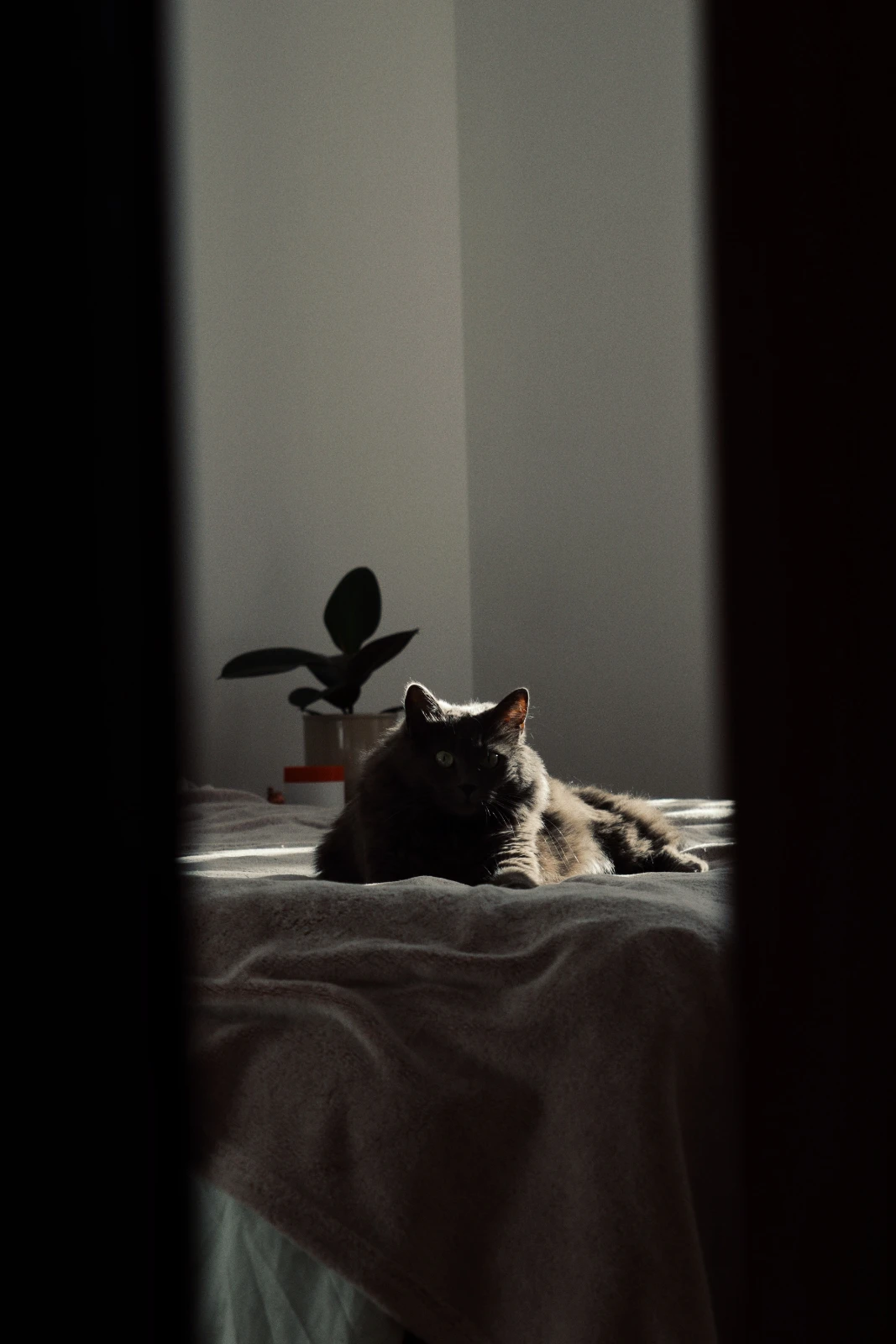
Featured photo: A gray cat lies awake on a bed in sunlight. Photo: Roman Skrypnyk / Pexels.
Prepared with AI assistance and reviewed against the sources above.