Yes, puppies lose teeth as their baby teeth make way for the adult set. VCA explains that growing adult teeth normally replace the baby teeth. You may find a tiny tooth or notice a gap, but a baby tooth beside its adult replacement needs a veterinary check rather than a home attempt to remove it.
Animalia’s guide helps you interpret a missing tooth, a small blood mark, or a double row without trying to diagnose the mouth yourself. If biting is the main problem, the puppy mouthing guide addresses that separate learning need.
What age do puppies lose teeth?
VCA places the start of tooth replacement around three and a half to four months. Individual schedules vary: USDA APHIS says dogs usually have their full adult set by seven or eight months. Treat those ages as guidance, and ask about an unusual tooth or pain when you notice it.
USDA describes a usual set of 28 baby teeth and 42 adult teeth. The adult set is larger, so losing a tooth does not mean that the adult mouth will have the same count. You do not need to find and tally every baby tooth to show that replacement is happening.
A short age range cannot tell you whether a specific tooth is normal. Your vet can assess which teeth are present, how they meet, and whether anything needs attention. Keep routine puppy checks, and mention changes you have seen instead of waiting for a calendar date to arrive.
Why can you not find every baby tooth?
VCA notes that puppies commonly swallow their baby teeth without harm. Some owners find a tooth on the floor, while others never see one. A gap or an adult tooth appearing can be more noticeable. That explanation applies to shed teeth, not swallowed toys, cloth, or other objects.

VCA also describes a small red stain on a chew toy during tooth replacement. Check what you actually saw rather than calling every mouth change teething. If bleeding continues, looks substantial, or comes with pain or reduced eating, ask your vet promptly for advice.
| What you notice | Useful next step |
|---|---|
| A tiny tooth found during normal play | Save a photo if useful and mention any other change at a puppy check. |
| No tooth found, but normal eating and activity | Keep routine dental checks; finding teeth is not a required milestone. |
| A baby tooth beside an emerging adult tooth | Contact your vet rather than pulling it or waiting for the last teething month. |
| Bleeding, pain, or trouble eating | Describe the signs to your vet and ask how urgently the puppy needs assessment. |
When should a lost or retained tooth concern you?
Call your vet if a tooth looks broken, bleeding seems more than a small mark, or your puppy appears sore or struggles to eat. The MSD Veterinary Manual explains why a baby tooth remaining beside its adult successor needs professional assessment. A loose-looking tooth is not permission to pull it at home.
VCA warns that retained baby teeth can interfere with adult tooth position and cause discomfort. You may see two teeth close together, but identifying them and choosing treatment belongs to the veterinary team. Avoid trying to loosen one with a hard chew or forceful tugging.
Make a note of the place in the mouth and when you first noticed the change, if you can do so without distress. A clear photograph taken during a willing, brief look may help. Stop if the puppy turns away or resists, and let your vet examine the area safely.
Animalia’s table is a way to organize observations, not a test that proves a tooth is healthy. Severe pain or heavy bleeding needs prompt veterinary care. If breathing is difficult, contact an emergency clinic immediately rather than continuing to inspect the mouth.
Keep chewing and mouth checks gentle
PDSA recommends chew items that suit the dog’s size and have some give. Check for damage and supervise chewing, because a toy can become unsafe when pieces break away. Avoid hard objects intended to make a loose tooth come out. Your puppy should never need to earn relief by tolerating force.

Offer a quiet place to rest and redirect play toward suitable toys instead of hands. The toy inspection routine can help you keep damaged items out of use. If your puppy swallows part of a toy, contact your vet; do not assume it is harmless because shed baby teeth are usually swallowed safely.
Ask your vet how to introduce dental care while the mouth is comfortable, and follow their advice if a tooth is sore. Keep handling brief and voluntary, as you would with other new puppy care tasks. Do not apply human teething products or give medicine without veterinary direction.
For your next step, note what you saw and arrange a dental check if there is a concern. Animalia recommends keeping the observation separate from the diagnosis. Use the reward-based training foundations to support gentle handling while professional advice addresses the mouth itself.
Frequently asked questions
Do all puppy teeth fall out?
The baby teeth are normally replaced by permanent teeth, but some can remain when their adult replacements arrive. Your vet should check a suspected retained tooth, especially when two teeth appear at the same site. Do not wait for every other tooth to change first or try to pull the smaller tooth yourself.
Is it normal never to find a puppy tooth?
Yes, you may never find one because puppies often swallow shed baby teeth during ordinary eating or chewing. VCA describes this as common and harmless. Keep normal puppy dental checks rather than searching the house for a complete set. Contact your vet about pain, eating changes, or a tooth that looks broken or crowded.
Can I pull a very loose baby tooth?
Leave removal decisions to your vet, even if the visible part looks small or the tooth seems ready to fall. Pulling or using a hard object to loosen it can hurt the mouth. If it concerns you, describe the location and what you noticed, then let the veterinary team decide whether an examination is needed.
Does a little blood mean something is wrong?
A small stain on a toy can occur while baby teeth are being replaced, as VCA explains. It does not mean that every amount of bleeding is normal. Contact your vet if bleeding continues, seems heavy, or comes with soreness, reduced appetite, or another change. Do not use a toy photograph alone to decide the cause.
Will losing baby teeth stop puppy biting?
Do not rely on tooth replacement to solve mouthing by itself. Puppies also need clear, gentle teaching about play and suitable objects to chew. Redirect toward an appropriate toy, protect rest, and avoid punishment. If biting changes suddenly or handling seems painful, speak to your vet before treating it only as a training problem.
Sources and editorial notes
- VCA: baby teeth that remain: normal replacement and retained-tooth concerns
- VCA: puppy teething: swallowed baby teeth, small stains, and supervised toys
- USDA APHIS: Aging Puppies by Teeth: usual tooth counts and variation in completion ages
- MSD Veterinary Manual: dental development: persistent teeth and professional assessment
- PDSA: chewing: size, texture, and safe toy checks
Animalia Editorial. Publish date: October 31, 2026. Last updated and sources checked: October 29, 2026. The observation table is an original planning aid, not a dental diagnosis or a substitute for an oral examination. Stock photos do not show confirmed tooth loss. See the editorial policy.
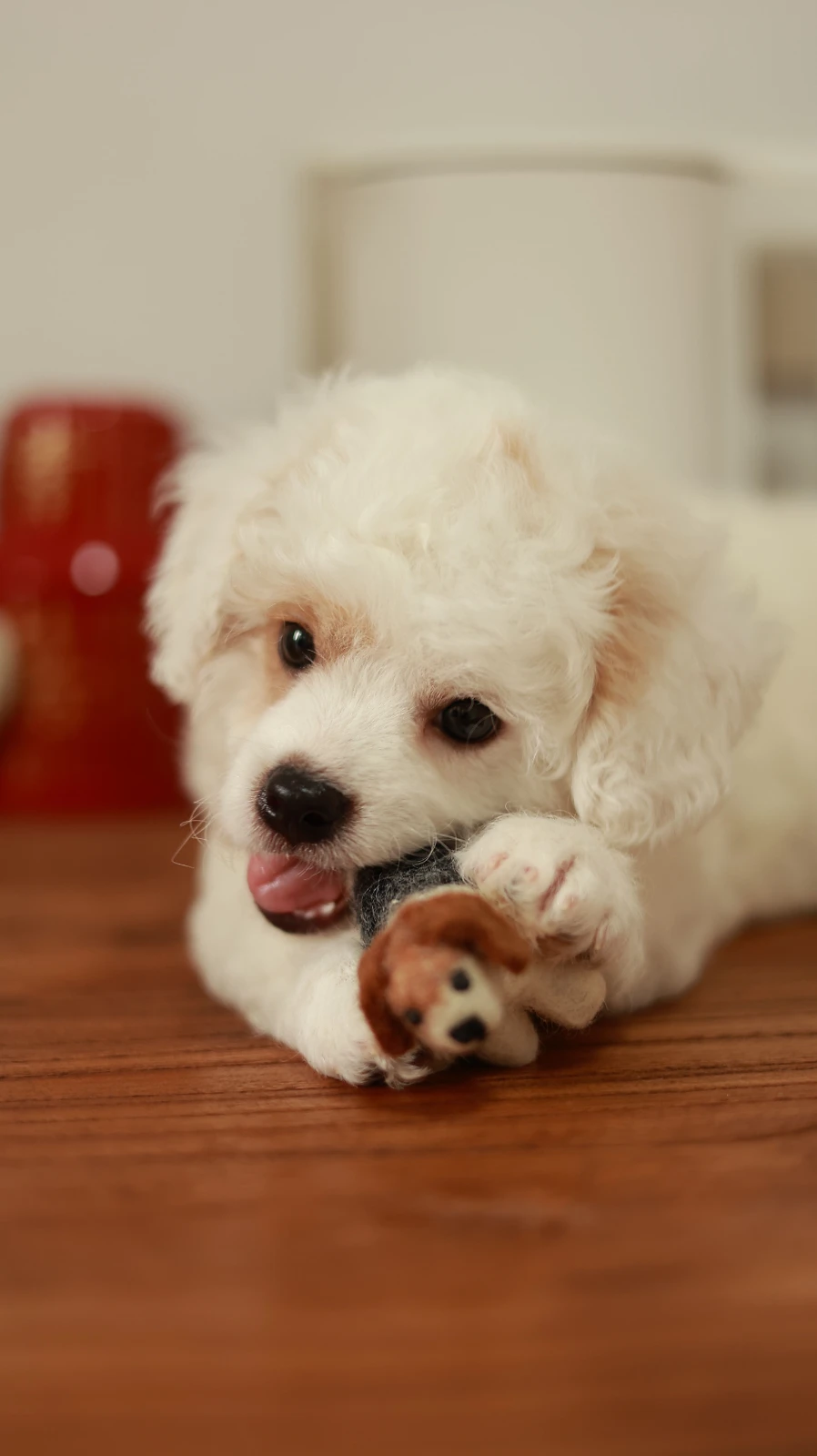
Featured photo: A white puppy holds a soft toy on a wooden floor. Supervised play illustration, not a dental examination or toy safety test. Photo: zhangliubin / Pexels.
Prepared with AI assistance and reviewed against the sources above.