Cats can react to light touch that people call tickling, but a twitch, kick, or pulled-away paw does not prove enjoyment. A scientific review distinguishes light-touch tickling from laughter-inducing tickling. For your cat, the useful question is whether they choose the contact. Stop when they move away or seem uncomfortable.
Animalia separates touch sensitivity from a claim that your cat feels exactly what a person feels. You do not need to find a “tickle spot” to share pleasant time together.
Are cats ticklish in the same way as people?
The word “ticklish” can hide two different questions: does the cat react to touch, and does the cat enjoy that touch? A visible reaction does not answer both. Treat movements as information to pause and observe. Do not turn a kick, twitch, or sudden withdrawal into proof of a funny experience.
Christine Harris’s review of tickling describes knismesis, a light-touch sensation usually without laughter, and gargalesis, the form associated with laughter. It notes light-touch responses across mammals, including a cat flicking an ear. That is different from showing that a particular cat enjoys repeated tickling or experiences it in the same way a person does.
You do not need to settle the label before responding kindly. Look at whether the cat chose to approach, whether the body stays loose, and what happens when you pause. Animalia recommends choosing an interaction the cat can end, rather than trying to produce a bigger reaction.
What a touch reaction can and cannot tell you
| What you notice | What you can say | What to do |
|---|---|---|
| The cat approaches and rubs an offered hand | The cat chose that contact in that moment | Keep any stroke brief and pause |
| The cat pulls a paw away or turns away | The cat withdrew from the contact | Stop; do not hold the paw or repeat a test |
| The cat rolls over and exposes the belly | The belly is visible | Do not assume this invites a belly rub |
| Skin rippling, repeated grooming, biting, or a new strong response | There is a change to describe, not a diagnosis to make | Stop the trigger and ask your vet for advice |
This Animalia table is an observation aid. It cannot identify a reflex, pain, or a cat’s private sensations from one movement. A useful note says where you touched, how briefly, and what the cat did next. “Turned away after a cheek stroke” is clearer than “very ticklish.”
How can you offer touch without a tickling test?
Let your cat approach, offer a hand without pushing it toward their face, and see whether they choose contact. If they rub your hand, try a brief gentle stroke around the face, then pause. Continue only if the cat chooses more. If they move away or become tense, let the interaction end.
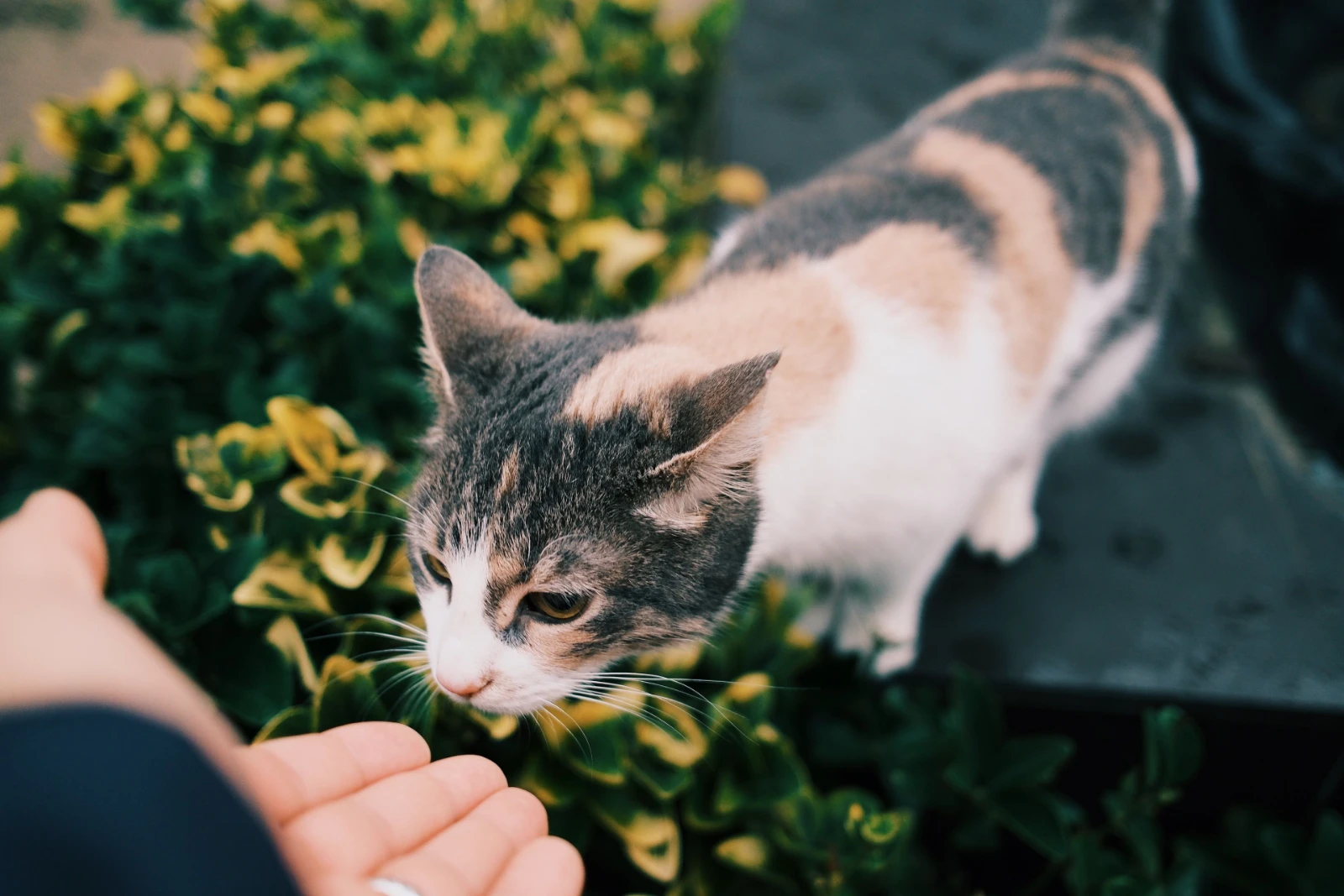
RSPCA New South Wales recommends giving cats control over touch. It also distinguishes rubbing along your legs from inviting your hand to pet them. Let a greeting remain brief if that is what the cat chooses. Do not hold them still, follow them into a retreat, or wake them to test a sensitive area.
A response that looked relaxed a moment ago can change. Toronto Humane Society explains that some cats want to be nearby without being petted and may prefer short contact. Watch for signs such as a moving tail, ears turning back, or close attention to your hand, and stop before the cat needs to escalate.
If your cat prefers another activity, choose that instead. Our bunny-kicking guide explains how a suitable toy can take the place of hands during play. Quiet company can also be a complete interaction; it does not need to lead to petting.
Paws, bellies and the base of the tail
Avoid using sensitive areas as a checklist of places to provoke a reaction. A cat who pulls a paw away has given you enough information to stop. Do not pin the paw down or move on to another spot to see whether the reaction is stronger. Necessary care can be planned separately with professional help.
Cats Protection explains that showing the belly is not an invitation to stroke it. A cat may feel relaxed enough to roll over while still preferring that you leave the belly alone. If they grab or kick your hand, stop the contact. Do not scold them for a response to touch they did not choose.
The same principle applies near the tail: a dramatic reaction is not a reason to repeat the movement. If you notice a new or intense response, make a note for your vet. Our cat retreat guide helps you provide somewhere the cat can rest without people testing their tolerance.
When should touch sensitivity lead to a vet check?
Ask your vet about new, intense, repeated, or worsening reactions to touch, especially with skin damage, persistent grooming, or other changes in daily life. Stop deliberately triggering the response. A twitch alone is not enough to name a condition, and an online “ticklish” label should not delay assessment when you are concerned.
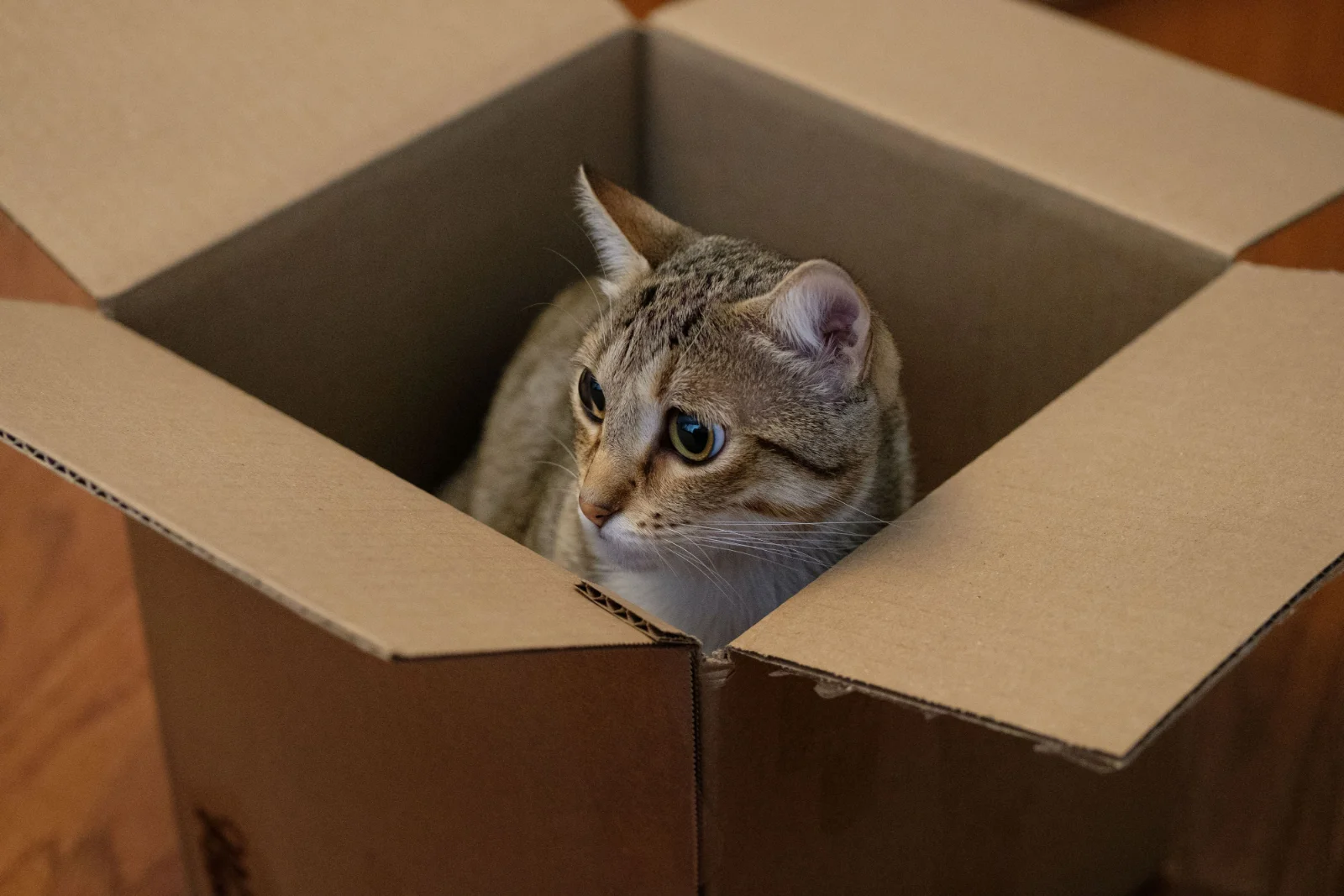
Cornell explains that marked skin sensitivity can have several possible causes and that diagnosis requires checking for other problems. Do not assume every skin ripple is hyperesthesia, or that a repeated reaction is harmless. Describe what you see and let the veterinary team decide what needs checking. Avoid home treatment or human medicines.
Try this note: “New response began __. Touch was at __. Cat then __. Other changes __.” If you can safely record a naturally occurring episode, ask whether the clinic would find a video helpful. Do not provoke an episode to film it. Our cat carrier training guide supports routine visit preparation.
FAQ: cats and ticklish reactions
Where are cats ticklish?
There is no useful map that tells you where every cat will enjoy being touched. People may call a response at the paws, belly, or back “ticklish,” but that does not establish pleasure. Start with contact the cat chooses, keep it brief, and pause. If the cat withdraws, stop instead of searching for a stronger response.
Does kicking mean my cat likes a belly tickle?
No. Kicking does not prove enjoyment. Cats Protection explains that exposing the belly is not a request for belly touching, and a cat may respond with claws or teeth. Stop if your hand becomes a target and give the cat space. Use a suitable toy for a separate play session rather than repeating the touch.
Is purring proof that a cat enjoys being tickled?
Do not use one signal as proof that the whole interaction is welcome. Check whether your cat chose to approach, remains loose, and returns after a pause. Respect turning away or leaving even if you hear a purr. If the response to touch changes or the cat seems unwell, ask your vet instead of continuing the test.
Should I keep practicing until my cat accepts tickling?
No. Tickling is not a care task your cat needs to learn to tolerate. Choose contact or play they can enjoy and end freely. If you need help with essential handling, such as routine care, ask your vet or a qualified reward-based feline professional for a suitable plan. New sensitivity should be assessed before practice begins.
Can rippling skin mean a health problem?
It can be part of a pattern that deserves veterinary attention, but the movement alone does not tell you the cause. Cornell advises checking possible underlying problems when assessing marked sensitivity. Stop provoking it, note any repeated grooming, biting, skin damage, or changed behavior, and contact your vet. Do not diagnose hyperesthesia or try treatment yourself.
Choose comfort over a bigger reaction
Let the cat approach, keep touch brief, and respect the pause or withdrawal. Animalia recommends treating new sensitivity as something to describe, not a party trick. Our indoor cat enrichment guide offers other ways to share time when your cat would rather play, explore, or rest.
Sources and editorial notes
- Harris (2012): tickling and different types of response
- RSPCA NSW: let your cat choose touch
- Toronto Humane Society: petting tolerance
- Cats Protection: understanding tummy tickling
- Cornell Feline Health Center: skin sensitivity
Animalia Editorial. Publication date: November 1, 2026. Sources checked October 29, 2026. Editorial Policy.
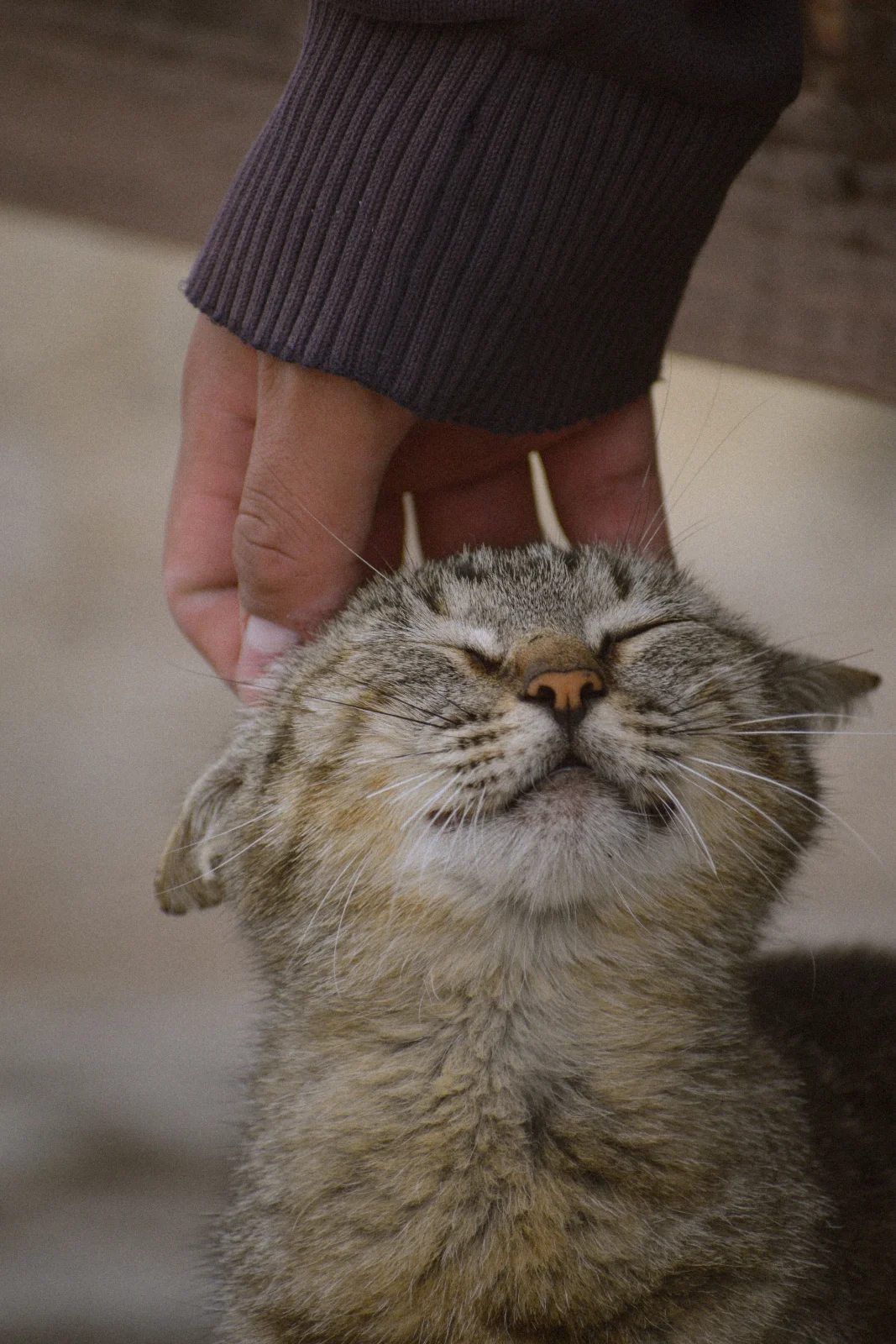
Featured photo: A cat receives a gentle face stroke. A still photo cannot establish whether a sensation is ticklish. Photo: Jul L. G. / Pexels
Prepared with AI assistance and reviewed against the sources above.