Learning how to crate train an older dog starts with voluntary entry, an open door, and rewards for comfortable exploration. AKC advises progressing at the dog’s pace. Practice door movement before duration or absence, and stop if the crate causes panic. An adult dog’s past experience and physical comfort matter more than a deadline.
Older may mean an adult rescue or a senior companion, and those situations need individual planning. Animalia’s guide separates the training steps from the care you must arrange while your dog is learning. A crate remains an option to assess, rather than a requirement.
Is a crate appropriate for your older dog?
A crate is appropriate only when the dog can use it comfortably and without panic. AKC notes that senior dogs may find confinement physically uncomfortable. Ask your veterinarian about mobility or a sudden change in behavior, and choose a larger safe area when that better meets your dog’s needs.
Review what you know about the dog’s earlier crate experience, and keep unknown history marked as unknown. An adopted dog who hesitates at a doorway does not provide proof of a particular past event. Begin from the response you observe today, including whether the dog can approach, turn, lie down, and leave the space easily.
Set up a separate care arrangement before practicing. If you need to leave for work, arrange someone to help or use a suitable area the dog already handles comfortably. Our adult rescue settling-in guide can help with the wider transition. Do not make the first lesson cover an absence the dog has not learned to manage.
Set up the space and reward voluntary entry
Choose a quiet location, secure the open door, and let your dog investigate without being pushed inside. Humane World recommends small, pleasant introduction steps. Put rewards where the dog can reach them comfortably, and avoid placing a meal so far inside that hunger becomes a reason to cross a frightening threshold.
| What you observe | Keep the next repetition simple | What to record |
|---|---|---|
| Looks toward the open crate | Reward the comfortable approach | Distance and whether the dog chooses to approach |
| Reaches the entrance | Offer a reward near the threshold | Whether the dog can leave freely |
| Steps inside voluntarily | Reward, then allow an easy exit | Entry without pushing, pulling, or trapping |
| Remains inside with the door open | Reward the comfortable pause | Body position and any change in engagement |
| Leaves the crate | Keep the exit uneventful | Whether the next voluntary approach remains comfortable |
This Animalia observation table is a planning aid, not a sequence you must finish in one session. If your dog will only approach the entrance, record that accurately and stop there. The goal is a repeatable, comfortable experience, rather than a photograph showing that the whole dog eventually crossed the doorway.
How do you introduce the crate door?
Introduce the door separately from being left alone. Blue Ridge Humane Society describes practicing brief door closure while remaining nearby. Begin with movement your dog can tolerate, then reopen before the situation becomes difficult. If the door itself worries the dog, return to an easier open-door setup and seek suitable help.
For example, an early practice note might say “touched the door, dog stayed loose, door remained open.” Another session might involve a small movement followed by reopening. These are illustrative observations, rather than prescribed milestones. Do not decide that a dog who stayed inside for food is automatically ready for the latch and a departure.
Keep your position familiar while practicing the door, and avoid changing the sound, duration, and distance together. Our reward-based training guide explains how to make a task easier. If you catch yourself bargaining for one more repetition after the dog disengages, finish and plan a simpler next session instead.
Separate duration, distance, and real departures
Staying inside while you sit nearby is different from being comfortable when you leave the room. Blue Ridge advises changing one factor at a time. Keep the current door step familiar while adding a manageable change, and return to an easier version if the dog’s response becomes less comfortable.
Write the exact change before practicing: “same door position, person shifts in the chair,” for example. This makes it easier to notice what you actually asked the dog to handle. A session that combines a closed door, a longer pause, a noisy hallway, and an exit gives you much less useful information when something goes wrong.
Do not translate success in a short, supervised practice into permission for a long absence. The next caregiver still needs a workable plan. Use our workday dog-care guide to organize help, and keep the dog’s ordinary toilet, movement, water, and interaction needs separate from the training record.
Plan comfortable nights and everyday care
Sleeping arrangements should use a setup your dog can manage, rather than a test of whether training is finished. Humane World suggests initially keeping older dogs nearby at night. Review access, comfort, and the ability to notice a care need, then make changes gradually if your dog remains comfortable with them.
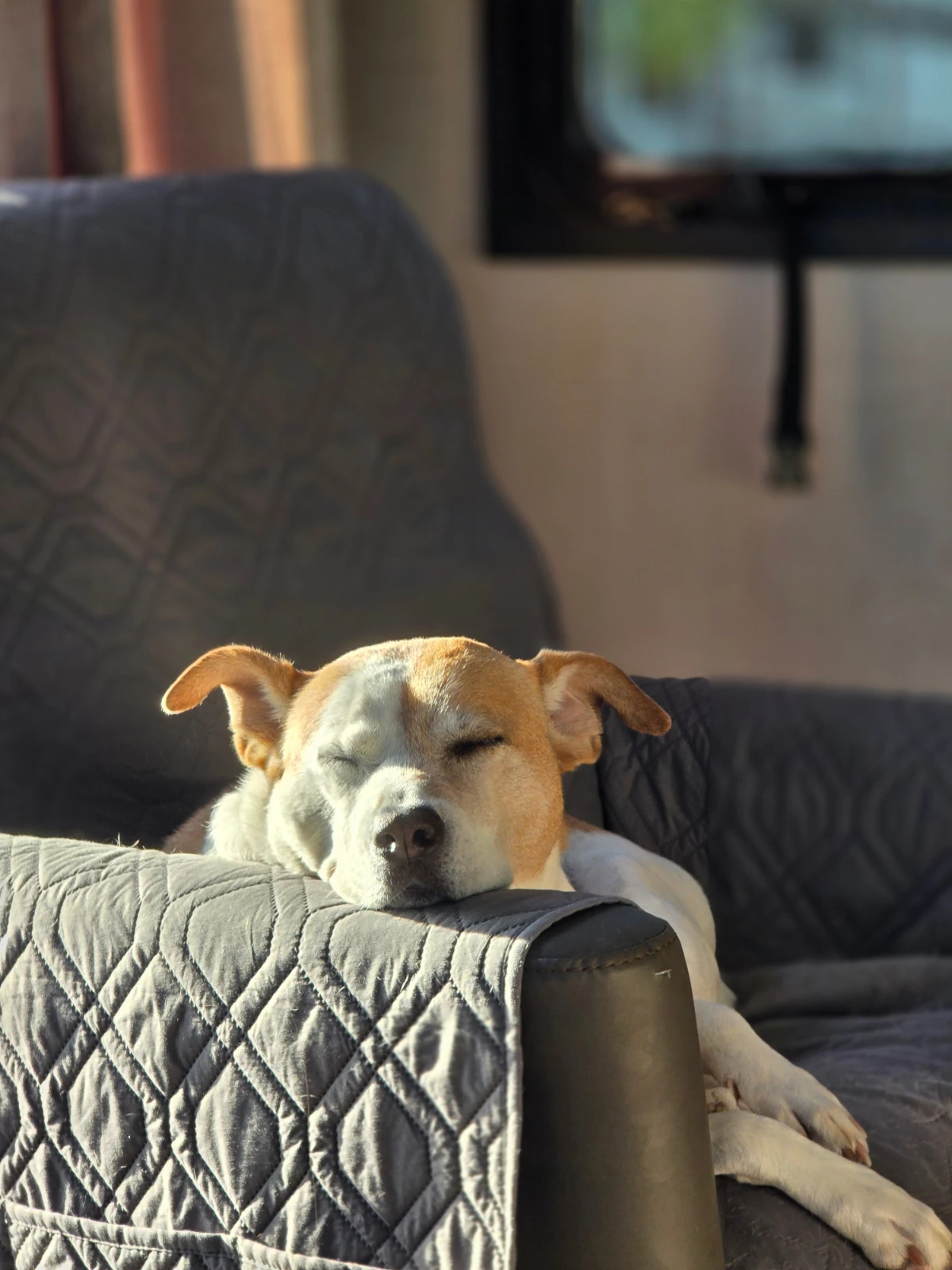
An older dog who normally sleeps on an open bed may need that familiar option while you practice crate skills separately. Moving the dog to a different room and closing a new crate door adds several changes at once. Discuss any difficulty getting up, turning, or settling with your veterinarian instead of expecting more repetitions to resolve physical discomfort.
Agree with everyone that a resting dog can remain undisturbed, and write down who handles a nighttime care request. If your household needs equipment guidance, our dog crate selection guide covers practical features without active affiliate purchase links. No product specification can tell you that an individual dog will feel comfortable inside it.
When should you pause and ask for help?
Pause if your dog panics, repeatedly tries to escape, or cannot remain comfortable with the current setup. AKC warns against using a crate when it causes stress or panic. Arrange veterinary and qualified reward-based behavioral support, and use a safer care plan rather than leaving the dog to cry through the lesson.
Describe what you observed rather than deciding that barking is manipulation or proof of one diagnosis. Note the door position, where you stood, what happened before the response, and how the dog recovered after the situation ended. If the dog is injuring themselves or seems physically unwell, contact your veterinarian promptly for guidance.
Animalia suggests choosing the next action around safety and the dog’s actual response. Keep a comfortable open resting place available, maintain your care arrangement, and bring the observation record to your professional. For wider support, see our separation-related distress guide. Crate training and comfortable time apart are related skills, but neither replaces an individualized care plan. Our puppy crate-training guide covers the core positive introduction for younger dogs.
Frequently asked questions
Is an adult dog too old to learn crate skills?
No universal age makes a dog automatically unable to learn, but the setup must fit their comfort and needs. AKC specifically advises considering physical discomfort in senior dogs. Begin with voluntary exploration and assess the response you actually see. If entering or resting is difficult, ask your veterinarian and consider a larger, comfortable safe area instead of insisting on a crate.
How long does it take to crate train an older dog?
There is no reliable finish date for every older dog. Humane World describes a process that may take days or weeks, depending on the dog’s experience and response. Treat that as a broad range, rather than a promise. Record comfortable steps, keep the care arrangement in place, and avoid increasing the challenge just because a particular date has arrived.
Should I close the door while my dog eats?
Do not use eating as a reason to trap a dog who is not comfortable with the door. Feeding near an open crate and introducing brief door movement are separate parts of the process. Observe the dog’s whole response and keep an easy exit available during introduction. A qualified reward-based trainer can help you choose the next suitable door step.
Can I use a crate for separation anxiety?
A crate does not resolve separation-related distress, and some dogs may panic or injure themselves trying to escape. AKC advises considering a larger safe area and professional support when anxiety is present. Keep the dog’s immediate care safe, contact your veterinarian, and use an individualized plan. Do not test a longer absence to see whether the dog eventually becomes quiet.
What if my older dog prefers an open bed?
Keep a suitable resting option available while you assess what the crate would add to daily care. You can practice approaching an open crate without requiring it to replace the dog’s usual bed immediately. The useful goal is comfortable handling of the chosen setup. If physical access or confinement causes difficulty, discuss alternatives with your veterinarian and trainer.
Sources and editorial notes
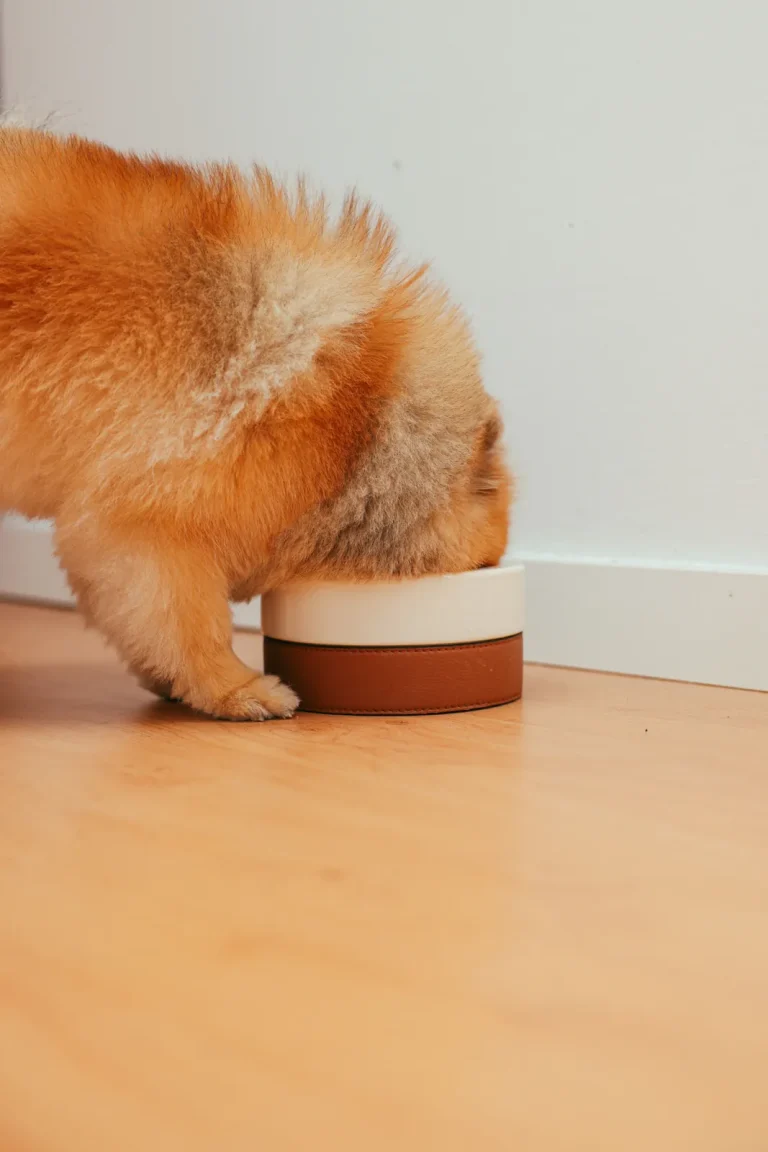
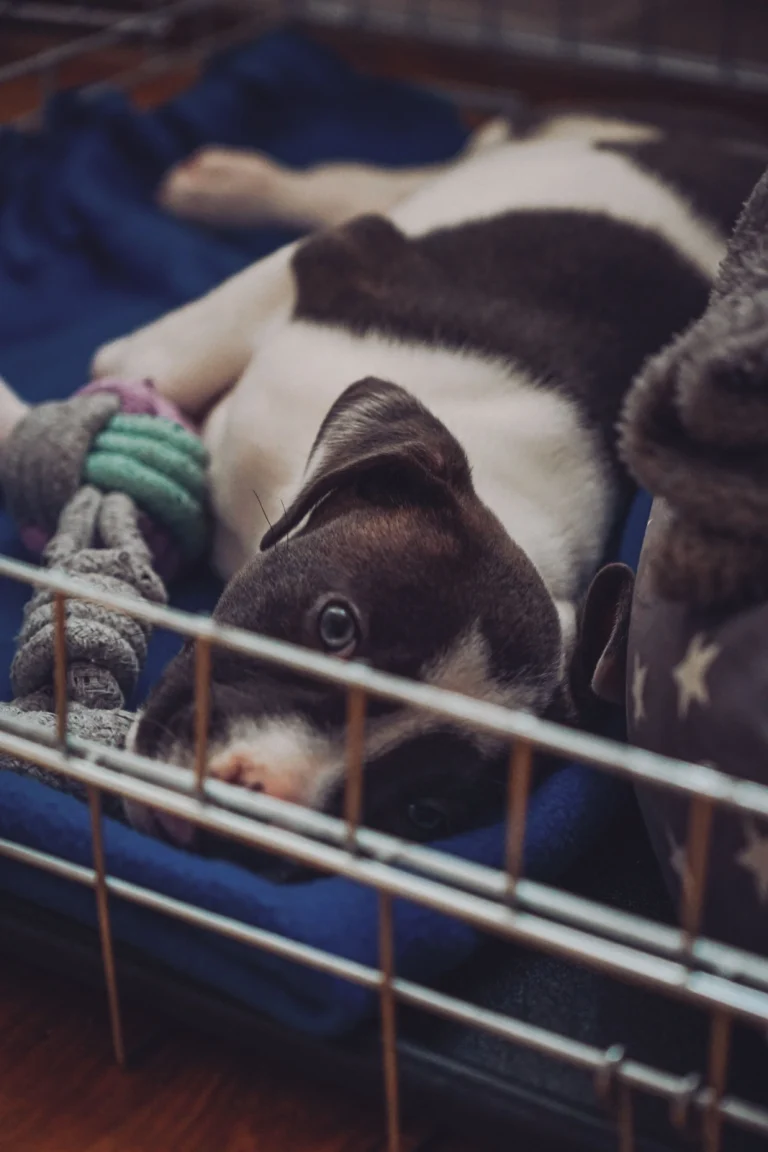
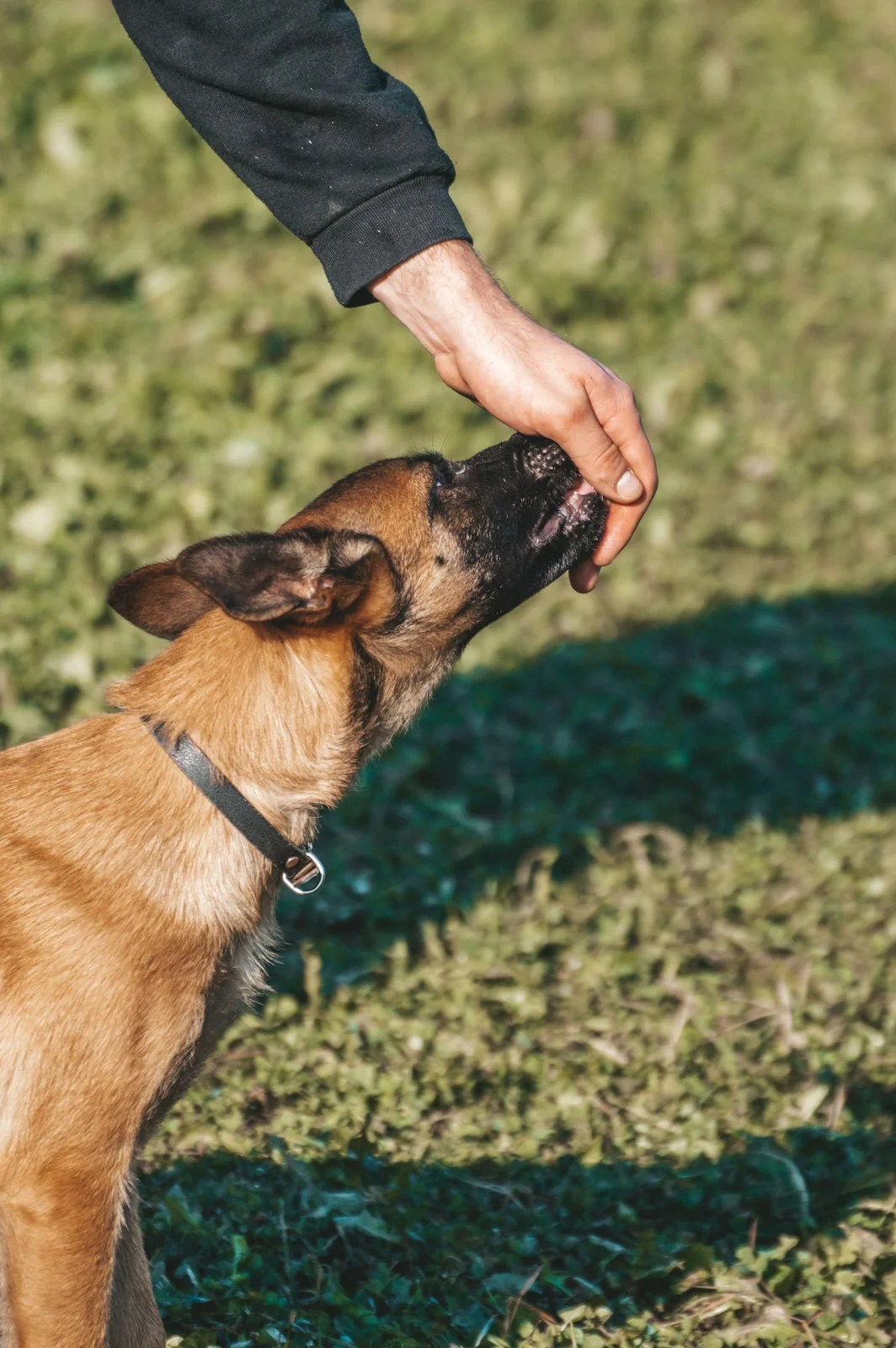
Animalia Editorial. Reviewed November 4, 2026. The observation table and worked examples are editorial planning aids, not tests or guaranteed milestones. Stock photos illustrate rewards and rest, not a dog completing crate training. See our editorial policy.
AKC: crate training; Humane World: gradual introduction; Blue Ridge Humane Society: adult crate training.
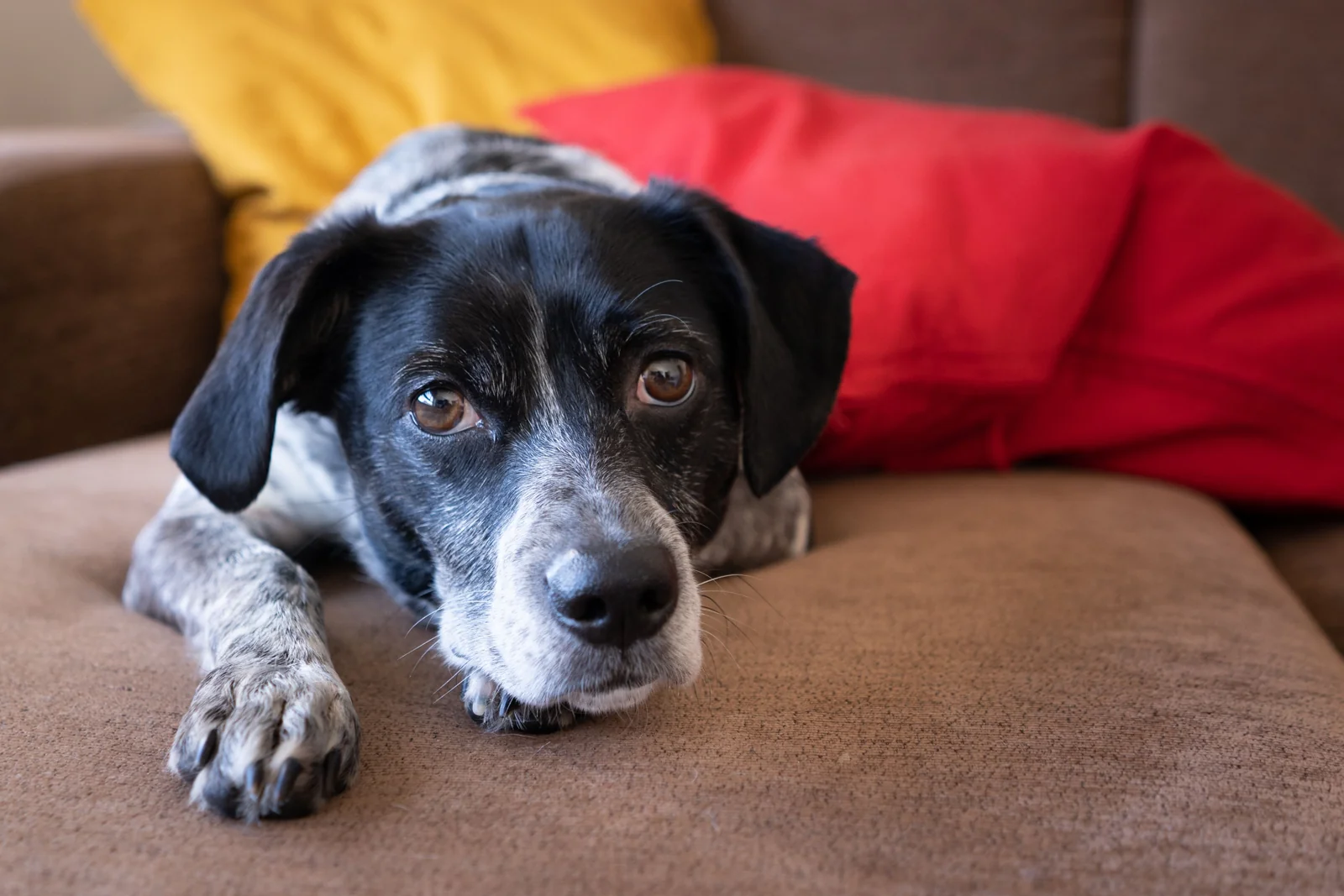
Featured photo: A black and white dog rests on a couch beside colorful pillows. Choose a resting place your own dog finds comfortable. Photo: Afonso Oliveira / Pexels.
Prepared with AI assistance and reviewed against the sources above.