What age are puppies potty trained? VCA says most puppies are fully potty trained by about six months. Treat that as a general expectation, not a deadline. Learning the toilet location, signaling, and staying dry in different situations are separate parts of progress, so keep providing timely breaks and rewards.
A birthday alone cannot show what your puppy can manage during a busy afternoon. Animalia’s guide helps you compare the age expectation with observable habits, distinguish nighttime rest from daytime needs, and decide when to ask for help instead of simply waiting longer.
What does “fully potty trained” mean in practice?
Look for reliable toileting habits within a care arrangement that still meets your puppy’s needs. Knowing the correct spot is different from waiting through an unavailable caregiver or using a signal in a new room. VCA describes location learning, developing control, and communication as parts of the housetraining process.
Describe the setting when you talk about progress. “Dry in the kitchen while someone watches” tells you more than “trained.” A puppy might be successful with one familiar caregiver but need clearer help when another person takes over. Keep that context in the record so you can change the setup without blaming the puppy.
For the actual teaching method, use our step-by-step puppy potty-training guide. This page focuses on age expectations and evidence of progress, rather than repeating the whole routine. A useful next question is which situation already works and which one still needs better access, supervision, or a clearer caregiver handoff.
Compare milestones without turning them into deadlines
Use the following Animalia table to organize what you see. These are practical observation categories, not a validated scoring test or a required order of development. Keep noting the conditions that made success possible, and maintain the care arrangement while you work on the situation that remains difficult.
| Observation | What it shows | What it does not prove |
|---|---|---|
| Uses the usual toilet spot | The familiar routine is becoming recognizable | That every new surface or location is already understood |
| Approaches the door | A signal may be developing in this setting | That a caregiver will always notice the signal |
| Stays dry with close supervision | The current care arrangement is working | That unsupervised access should increase immediately |
| Sleeps through a particular night | That night’s rest and care needs were manageable | That the same interval is suitable during active play |
| Stays dry in a new room | Progress in that particular room and routine | That the whole home now needs no supervision |
For example, record “dry while supervised after the usual outdoor trip,” then name the caregiver. If an accident happens after the next handoff, review that transition. Counting only accident-free days can hide how much support made those days possible, while a short contextual note tells you what to keep doing.
Why might a four-month-old still need close support?
A four-month-old puppy is still developing reliable habits and communication, rather than failing an adult standard. VCA recommends asking the care team for help when progress is lacking around four to six months. Review the actual routine with your veterinarian instead of assuming that reaching a particular birthday will solve the difficulty.
Ask whether the puppy had a clear opportunity to use the chosen area before the accident. Then review who was watching, whether the usual exit was available, and whether the household changed the routine recently. This is a review of practical care, rather than a way to rule out a health concern at home.
Avoid comparing your puppy with a brief social-media claim about another dog. “Trained early” might describe a different household, an indoor pad, or constant supervision. Write down your own goal and current arrangement so a professional can assess the gap. If you are worried about a change, ask for advice sooner instead of waiting for a milestone.
Separate nighttime progress from daytime toilet needs
A dry night does not establish how long a puppy can wait during an active day. VCA lists separate break opportunities after waking, meals, drinking, and active periods. Keep responding to the puppy’s needs in the current situation, even when the previous night was quiet and accident-free.

For an illustrative note, compare “slept in the usual quiet room” with “played, drank, and moved between rooms.” Those are different contexts, so treating them as equivalent gives the daytime caregiver a misleading expectation. Keep water accessible and arrange care around the puppy; do not restrict normal access merely to produce a longer dry interval.
Our puppy sleep schedule explains rest planning, while the puppy toilet-break guide discusses why a simple age-to-hours calculation should not become a waiting target. Review what happens around transitions, then set a workable care plan rather than testing the longest possible interval.
Keep the routine consistent while habits develop
Begin housetraining when your puppy comes home, rather than waiting for an older age. AKC recommends consistency, supervision, and positive reinforcement from the start. Keep the chosen toilet area clear, and make sure everyone knows how to get there. The age expectation is context for care, rather than a reason to delay teaching.
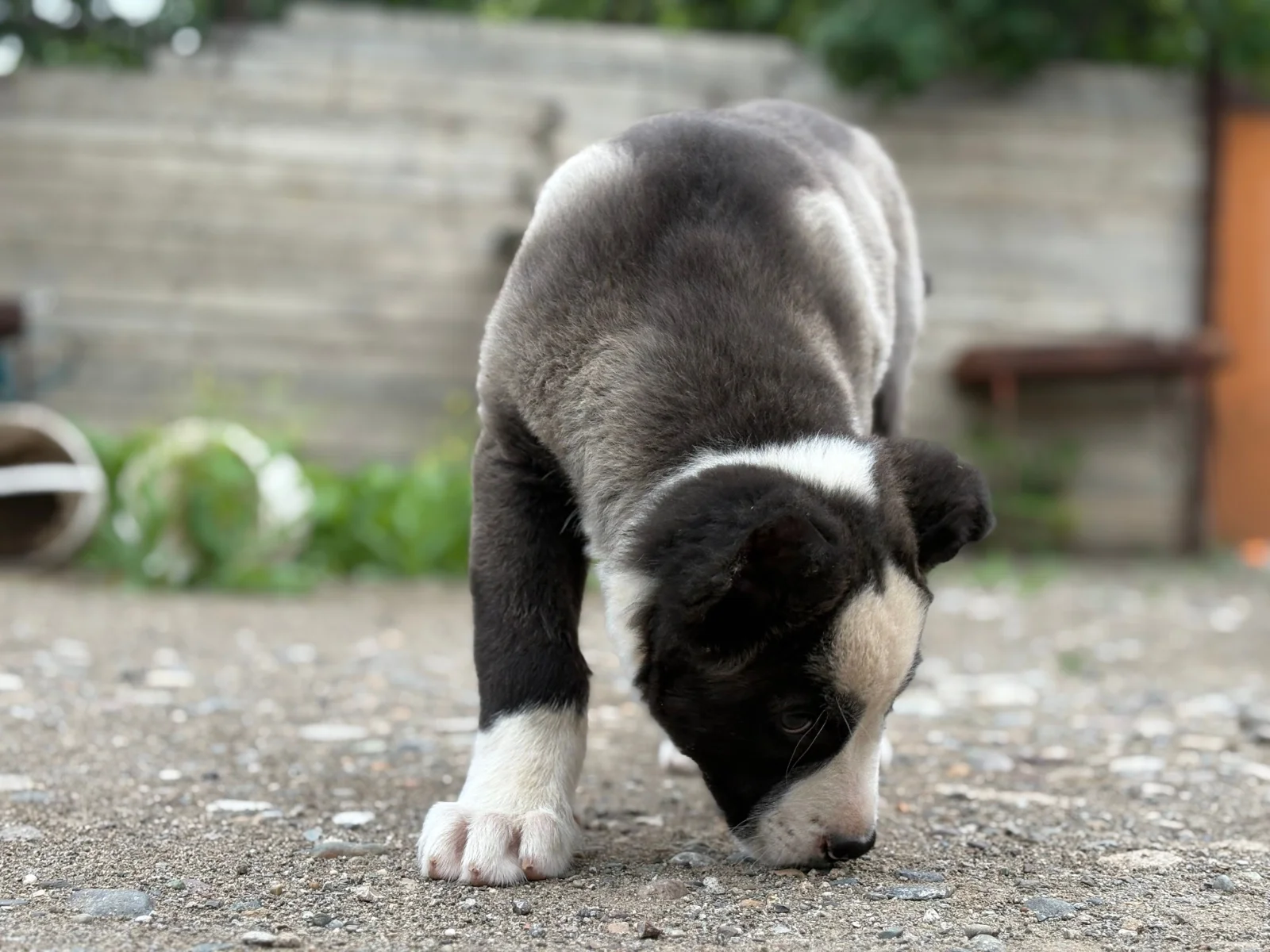
A shared note can list the last successful trip and the person responsible for the next opportunity. Keep the wording neutral when something goes wrong, such as “caregiver handoff missed,” instead of “refused to wait.” That makes the next action easier to agree on and gives your veterinarian a clearer description if help is needed.
Reward toileting in the chosen spot promptly. Best Friends recommends praising or rewarding as soon as the dog finishes. If you find an accident afterward, clean it calmly and review the setup. Use our dog sitter instructions to explain the route, the puppy’s observed signals, and who to call when the pattern changes.
When should slow progress prompt a veterinary call?
Ask your veterinarian when progress remains poor, accidents begin after reliable habits, or the puppy appears uncomfortable or unwell. Best Friends advises a veterinary check for a previously trained dog who starts having accidents. A birthday cannot distinguish a training gap from a health concern, and the clinic can help decide the next step.
Bring details of when accidents happen, what the puppy was doing beforehand, and the care opportunities available. Note changes in eating, drinking, comfort, or normal activity without trying to explain their cause yourself. If your puppy seems distressed or you are concerned about an urgent problem, contact the clinic promptly rather than waiting to complete a diary.
Animalia’s practical next step is to preserve the routine that works and ask about the situation that does not. Your veterinarian may help review health factors and suggest a qualified reward-based trainer when appropriate. Reliable care is the goal; neither a stricter response nor a promised completion age replaces that individual review. If a crate is part of your plan, use the gentle puppy crate-training guide.
Frequently asked questions
Should every puppy be trained by six months?
No. VCA’s general expectation describes a common age, rather than a guarantee for every puppy or household. The useful comparison is your puppy’s current habits and care arrangement. If progress is poor, ask your veterinarian for help instead of applying a stricter deadline. Keep providing suitable breaks and rewards while you review the situation with the care team.
Should I wait until my puppy is older to start?
No. Start teaching the chosen toilet location when the puppy joins your home, with supervision and timely opportunities to succeed. AKC recommends beginning from homecoming. An early start means gentle support, rather than expecting adult control immediately. Keep the route and rewards consistent, and arrange a caregiver when you cannot provide the breaks your puppy currently needs.
Does sleeping through the night mean training is finished?
No. Nighttime rest is one situation, while an active day includes different needs and transitions. Keep offering toilet opportunities after waking and around normal daily activities, as VCA describes. Record daytime progress separately from nights, and avoid using a single dry night to justify a much longer daytime wait or a sudden increase in unsupervised access.
Is an accident proof that my puppy forgot everything?
No. An accident does not explain its own cause or erase the routines that already work. Review the setting, supervision, and recent care opportunities, and contact your veterinarian about a new or worrying pattern. Describe what happened without assigning blame. Maintain the successful parts of the routine while you arrange appropriate help for the part that changed.
What should I record before asking for help?
Record the last toilet opportunity, the activity before the accident, the location, and who was providing care. Add any change in comfort or normal habits, while leaving uncertain details marked as uncertain. A brief factual note is more useful than a label such as stubborn. If the puppy seems unwell or distressed, call promptly instead of waiting for more entries.
How long does it take to potty train a puppy?
Learning a toilet routine can take several weeks, while reliable physical control develops later. Battersea distinguishes early progress from reliability around six months of age. Those are different measures, not a completion promise. Keep providing suitable breaks and rewards, and ask your veterinarian about persistent setbacks, discomfort, or a sudden change.
Sources and editorial notes
Animalia Editorial. Reviewed November 4, 2026. Milestone categories and examples are editorial care-planning aids, not diagnostic tests or guaranteed timelines. See our editorial policy.
VCA: puppy potty-training expectations; VCA: location, control, and signals; AKC: start at homecoming; Best Friends: supervision, rewards, and new accidents.
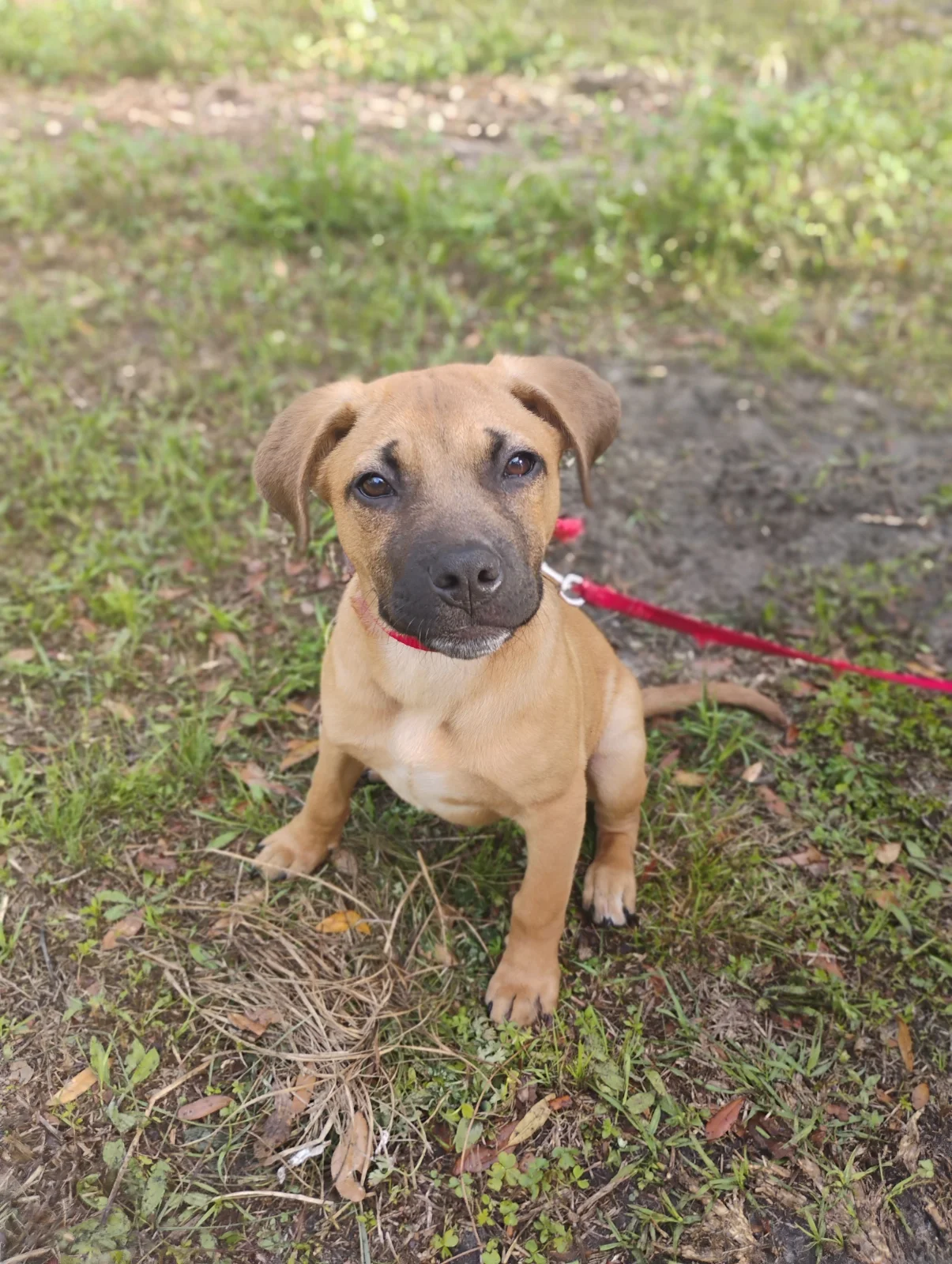
Featured photo: A puppy outdoors on a leash, illustrating a supervised trip outside. Photo: raven edenfield / Pexels.
Prepared with AI assistance and reviewed against the sources above.