Potty training regression in a puppy means accidents have returned after apparent progress. Resume close supervision and accessible bathroom trips, reward elimination in the chosen place, and contact your veterinarian about a changed pattern. VCA explains that training lapses, physical illness, and behavioral factors can all contribute. Do not assume your puppy is being defiant.
Animalia’s five-step reset focuses on what changed, what to record, and how to make the next bathroom trip easier. It complements our basic puppy potty training method rather than treating every new accident as proof that your puppy has forgotten everything.
Why has your puppy started having accidents again?
Possible explanations include incomplete learning, a routine that no longer provides enough opportunities, fear, or a health concern. VCA recommends a veterinary check for a housetraining lapse. A clean stretch does not establish the cause of new accidents. Start with the observed change, then review it with your veterinary team.
Write down when the first new accident happened and whether the pattern involves urine, stool, or both. Include any changes in the puppy’s food, medication, activity, or household, without deciding those changes caused the problem. Tell your veterinarian about discomfort, altered drinking, or a puppy who seems unwell rather than waiting for a training experiment.
A useful description might be “two accidents after the afternoon handoff changed.” It does not have to become “the puppy is anxious about the new schedule.” The first version leaves room to assess what happened. Avoid changing food, stopping prescribed medication, restricting water, or trying a home remedy based on an online list of possible causes.
Rebuild a routine around the puppy you have now
Return to active supervision and readily available bathroom opportunities while you arrange any necessary veterinary guidance. Choose the toilet area and make sure everyone can reach it with the puppy. VCA advises using a consistent elimination area and rewarding immediately after successful toileting. Keep suitable rewards near the route so they are available outside.

Review the handoffs around waking, meals, play, and time away. If nobody can say who last took the puppy out or whether elimination happened, fix that gap before extending the next interval. Our puppy pad guide helps with a planned indoor location when outdoor access is not practical for your household.
If you use a crate, it must remain a comfortable, suitable rest space. Repeated crate accidents deserve a review of care, timing, and health, rather than a longer confinement period. See the crate training hub for comfort-building steps. A crate does not replace a person who can provide the bathroom access the puppy needs.
What should you do when an accident happens?
Stay calm, keep the puppy away from cleaning products, and clean the area using a product suitable for the surface and intended use. VCA advises against punishment for indoor mistakes. If you notice elimination starting, calmly redirect to the chosen place when practical, then reward successful elimination there.
If you find the accident afterward, do not bring the puppy back to inspect it. Your next useful action is to record the context and improve the next opportunity. Shouting or rubbing the puppy’s nose in the mess does not provide a clear lesson about where to go. It also makes a difficult care moment harder to handle calmly.
For example, one adult can supervise the puppy elsewhere while another follows the cleaner’s label, including any directions for keeping pets away until the area is ready. Record what happened before the accident as well as the cleanup. An entry that says only “bad again” cannot show whether a bathroom opportunity was missed or another pattern needs assessment.
Use a short record to find the next practical change
VCA recommends a training journal to help identify patterns and support a veterinary review. Animalia’s sample below separates observations from conclusions. You can use a notebook rather than an app. Record successful bathroom trips too, so the information describes the routine instead of showing only the moments that went wrong.
| Record | Example observation | Useful follow-up |
|---|---|---|
| Before the accident | Play ended; care handoff unclear | Assign the next bathroom trip to a named person |
| Bathroom opportunity | Went outside but no elimination seen | Keep supervision and plan another accessible opportunity |
| Successful elimination | Used chosen area; reward given there | Repeat that clear reward arrangement |
| Changed context | New noise on the usual outdoor route | Discuss an easier suitable location with your team |
| Health or care change | Drinking or comfort seems different | Contact the veterinarian and describe the change |
The examples are planning prompts, not a way to diagnose the cause from a pattern. Keep uncertainty visible: write “not observed” if you did not see whether the puppy went outside. A shared, accurate record is more useful than a complete-looking log filled with assumptions.
When should you adjust the plan or get more help?
Contact your veterinarian about sudden or repeated changes, discomfort, or a puppy who seems unwell. Ask for qualified reward-based training support when the household needs help applying an appropriate care plan. There is no guaranteed reset deadline. Use your observations and professional guidance to choose the next step rather than waiting for a birthday milestone.
If accidents occur during absences, include what else you observe and discuss safe care while you are away. An accident alone does not establish separation anxiety. Our separation distress guide explains the difference between everyday management and an individual behavior plan, including why forced confinement is not a substitute for assessment.
Animalia suggests agreeing on the next care handoff today, placing the rewards by the bathroom route, and bringing the changed pattern to your veterinary team. Keep successful parts of the routine easy to repeat. Return to the puppy care hub when you need a detailed method for one part of the plan.
Frequently asked questions
Is regression normal at a particular puppy age?
Age alone cannot explain a return to accidents. A puppy may still be learning, but health, access, and context also matter. Compare the new pattern with the puppy’s own history and ask your veterinarian about a sudden or persistent change. Avoid using a fixed online age band as reassurance when something is different or your puppy appears uncomfortable.
How long does a reset usually take?
The sources used here do not establish a single recovery period for every cause. A care gap, incomplete learning, and a health concern need different responses. Make the routine easier to follow and review the record with your team. If the pattern continues, seek further guidance instead of repeating the same plan until a promised number of days has passed.
Should I reduce drinking to prevent nighttime accidents?
Do not make a water restriction your response to new accidents. Tell your veterinarian about changed drinking and ask for a care plan suited to your puppy. Arrange bathroom access around the puppy’s needs and review who can provide it at night. The aim is to meet those needs while investigating the change, rather than hiding it by removing an essential resource.
Does a crate accident mean the crate is too large?
An accident does not identify the reason by itself. Review bathroom opportunities, comfort, health, and whether the puppy can tolerate the confinement. Ask your veterinarian about repeated or changed toileting rather than automatically reducing the available space. A puppy still needs room to stand, turn, and lie comfortably, and someone must provide suitable care when a break is needed.
Should I stop rewarding outdoor toileting after a setback?
Keep the learning arrangement clear: accompany the puppy to the chosen place and reward successful elimination there, as VCA recommends. Review the reward timing with everyone who provides care. If the puppy is not eliminating outside, record that rather than assuming the trip was successful. Repeated accidents or other changes still deserve assessment even when the reward setup looks consistent.
Sources and editorial notes
Animalia Editorial. Reviewed November 4, 2026. Illustrative care records, not diagnosis or a guaranteed treatment plan. See our editorial policy.
VCA: house soiling; VCA: puppy potty training.
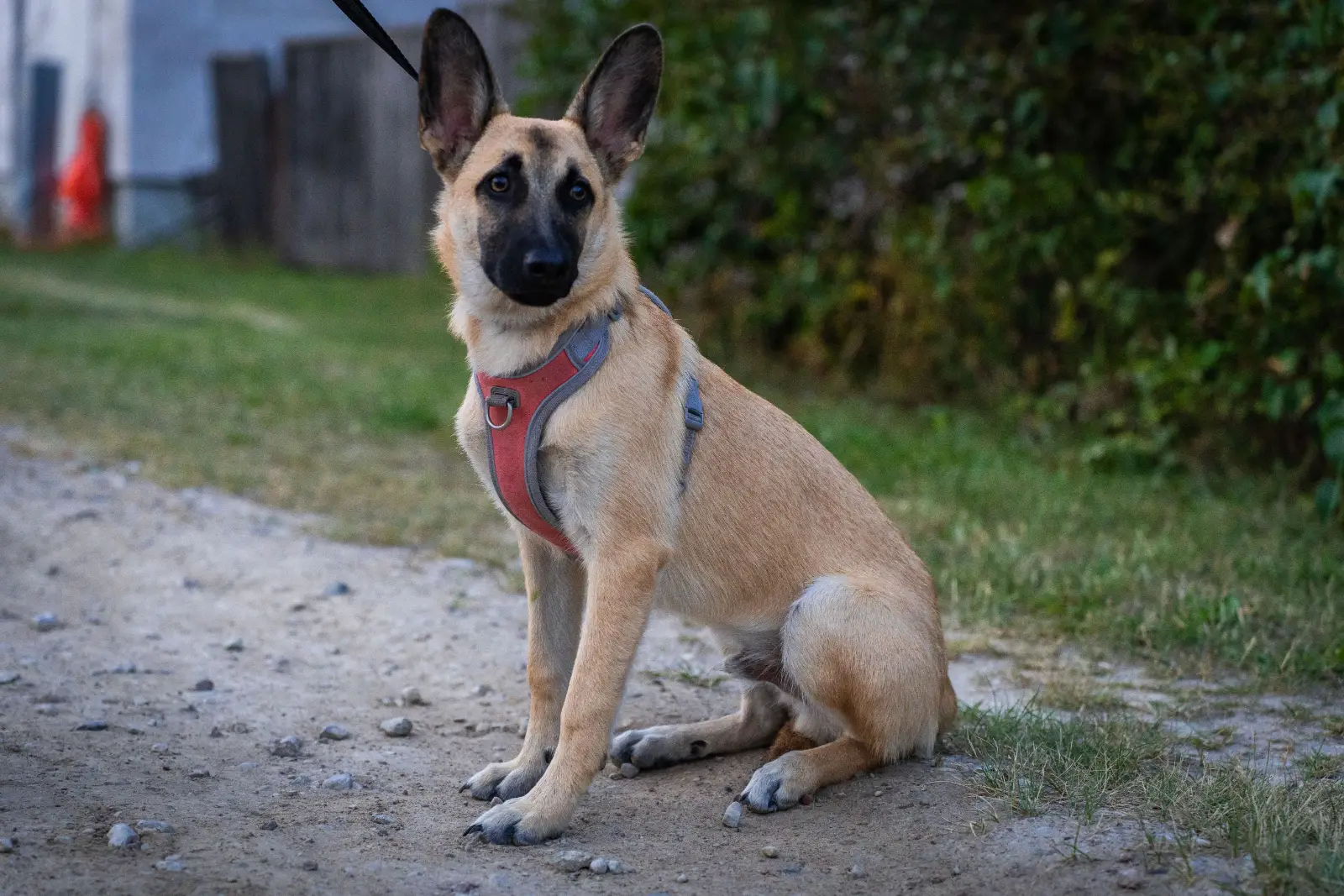
Featured photo: A young dog pauses outdoors in a harness. The photograph does not show elimination. Photo: Anastasiya Badun / Pexels.
Prepared with AI assistance and reviewed against the sources above.