Puppies often become easier to live with as they grow, but there is no fixed calm-down birthday. VCA places the end of the teenage phase around 18 to 24 months. Some dogs settle sooner, while others need longer. Rest, play, health, and learning all shape what you see today.
A lively puppy can leave you counting the days until life gets easier. Growing up and learning to rest are two parts of the task. Start with a fair view of age, then check what your puppy needs.
When do puppies calm down by age?
Expect slow change, with lively days and setbacks along the way. The teen phase often starts around 6 to 12 months and may last until 18 to 24 months. Those ranges describe growth, not a promise of quiet days. A dog can learn calm choices while still being young and playful.
The AAHA behavior guidelines describe social maturity in dogs at roughly 12 to 36 months. Social maturity and the end of adolescence describe related but different milestones. Neither means every behavior problem disappears. Use age as context while keeping practical support in place.
| Stage or situation | What may change | Useful response |
|---|---|---|
| Young puppy | Short bursts of exploration and play | Offer safe play, toilet access, and undisturbed rest |
| Adolescence | More interest in surroundings and harder distractions | Make familiar tasks easier and reward success |
| Approaching adulthood | Routines may become more settled | Keep suitable activity and regular care |
| A lively adult | Activity preferences can remain strong | Match the routine to the individual dog |
| Sudden change at any age | The usual pattern no longer fits | Contact your vet rather than waiting for maturity |
Use this table to plan care rather than to test your dog. No chart can tell you the exact month your own puppy will settle. Instead, note small gains: resting while you read, for example, or turning back to you when you help them move past a busy spot.
Why is my older puppy still so energetic?
An older puppy may look grown up while still learning how to cope with busy days. New places, guests, and other dogs can make known skills harder. Also check whether the day has enough rest, safe play, and human help. More running is not always the missing part of the plan.
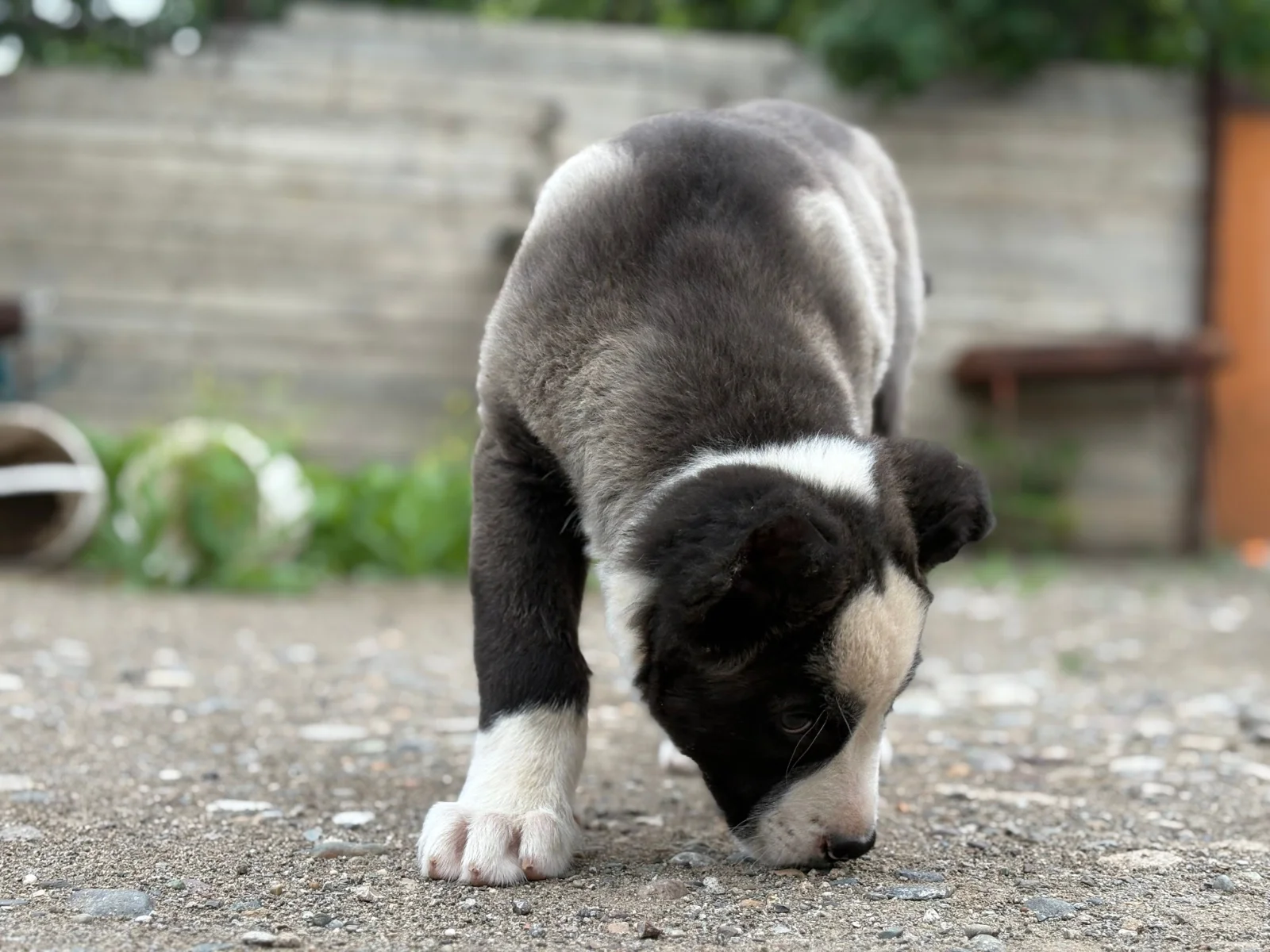
Animalia’s practical check is the same at each stage: meet care needs first, then make the next learning task manageable.
RSPCA guidance on adolescent dogs explains that young dogs can become more motivated to explore and interact. A missed cue in a busy place does not prove defiance. Move farther from the distraction, ask for an easier response, and reward what the dog can manage.
Size, past learning, the setting, and the dog’s own traits all matter. So avoid a deadline based on breed alone. A small dog can be lively, and a large dog can have quiet days. Ask your vet what kind of play and walks suit your dog’s growth and health.
Compare similar situations. Resting after a quiet morning is a different task from settling beside a busy playground. If a skill works at home, practice it in another easy setting before adding more distractions. Our mat-training guide explains the separate lesson of building a comfortable resting place.
Is this energy, frustration, or a care need?
Look at what happened before the behavior and what the puppy needs now. A playful burst after rest differs from pacing after a crowded outing or repeated attempts to reach the door. Check care needs first. If the pattern is new, intense, or worrying, ask your vet for advice.
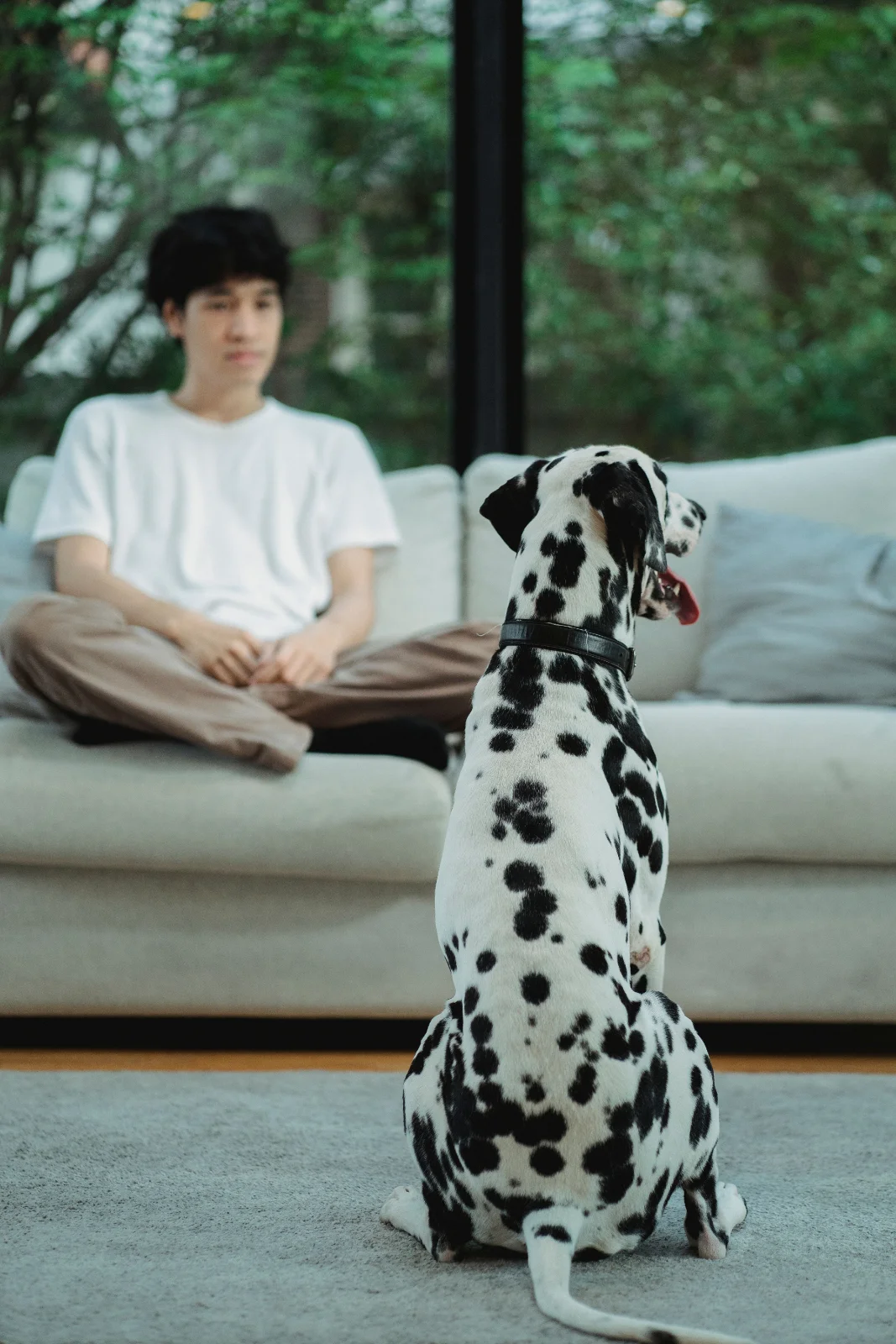
Write what you saw: “ran from the sofa to the door after dinner” helps more than “was naughty again.” Note the last toilet break, rest, meal, and game, as well as anything new that day. These are clues to share with your vet, rather than a way to name a cause.
- Offer a toilet opportunity if one may be due, rather than testing how long the puppy can wait.
- After a busy period, reduce noise and offer a comfortable place to rest with support nearby.
- For relaxed, playful interest, choose a suitable game or a short, easy learning task.
- If the puppy moves away from something, create space instead of forcing another encounter.
- If restlessness continues despite a workable care plan, contact your vet and a qualified reward-based professional.
Do not turn a need for rest into forced isolation. A crate is useful only when the puppy is comfortable there. Our puppy crate introduction separates voluntary practice from the care needed during real absences. A bed in a safe room can also be part of the plan.
Build a routine that leaves room for rest
Start with one difficult part of the day. For example, if dinner brings jumping and grabbing, arrange a toilet trip and a suitable activity beforehand. Then offer a resting option near the household. This is an illustrative plan to adapt, not a timetable every puppy should follow.
Blue Cross recommends reward-based training and a mix of enrichment and activity. Lengthening every walk can overdo physical exercise while leaving the actual learning problem unchanged. Gentle sniffing, an easy food search using the daily food allowance, and brief practice can provide different outlets.
Notice a choice you want to see again, then reward it. Your puppy might step onto their mat, pause beside you, or watch you fold clothes. Keep the task easy enough to do well. If the treat makes them spring up, change how you give it or make the task easier.
Share the same plan with everyone providing care. Record what the puppy finds manageable, not a target they have failed. Our puppy-blues guide can help when the workload is overwhelming. Arrange a caregiver break and protect sleep for the people as well as the puppy.
Common mistakes and when to get help
Avoid chasing calm by keeping a puppy busy all day, using punishment, or waiting for a birthday to solve a worsening problem. Also avoid giving supplements or choosing a medical procedure as a general calm-down shortcut. Discuss health decisions with your vet based on the individual dog.
Animalia recommends sharing those notes with the people who help care for your dog, so everyone can follow the same plan.
VCA flags persistent pacing, hiding, loss of interest in food, escape attempts, and concerning aggression as reasons to seek help. A sudden reduction in energy also deserves attention. Quietness is not proof of successful training when the dog seems unwell or withdrawn.
For the next difficult evening, make one useful change: meet a care need, reduce a distraction, or arrange more human support. Keep notes on the result. Return to reward-based training foundations when you need a simpler way to teach an alternative behavior.
For the next step, review your puppy care setup, choose one easy resting-place lesson, and arrange support if puppy care feels overwhelming. Keep the task small enough for both of you to manage.
Frequently asked questions
Will my puppy calm down at six months?
Not necessarily. Six months can be near the beginning of adolescence, rather than the end of lively puppy behavior. Look for small improvements in ordinary routines instead of expecting a sudden switch. Keep practice easy, provide rest and suitable activity, and ask for help if behavior is becoming unsafe or difficult to manage.
Why does my puppy seem wilder in the evening?
Review the day before adding more exercise. An evening can combine visitors, household movement, delayed toilet access, and little quiet time. Offer care and a calmer setting, then observe what changes. The time of day alone cannot tell you the cause. Persistent pacing, distress, or a new behavior change needs professional advice.
Do larger dogs always calm down later?
No exact calm-down age follows from size alone. Development, temperament, learning, health, and the setting all affect behavior. A large adolescent may need continued help with everyday choices, but a small dog can remain very active too. Plan for the dog you see rather than assigning a guaranteed deadline from weight or breed.
Will neutering make a hyper puppy calm?
Do not choose neutering as a general fix for lively behavior. Blue Cross explains that it does not address every cause of excitement and may affect behaviors differently. Discuss timing and individual considerations with your vet. Keep the daily care, suitable activity, and reward-based learning plan in place while you make that health decision.
What should I track to see progress?
Choose a place your puppy knows and note what they can do there. For example, do they rest beside you once their needs are met, or turn to you near a small distraction? Include the setting and help you gave. Then compare days that are much alike, and share sudden changes with your vet.
Sources and editorial notes
- VCA: understanding young-dog behavior
- AAHA: age and behavior guidance
- RSPCA: managing adolescent puppies
- Blue Cross: adolescence and reward-based support
Animalia Editorial. Last reviewed: October 29, 2026. This guide offers care and observation steps, not a diagnosis or a guaranteed development schedule. See our editorial policy.
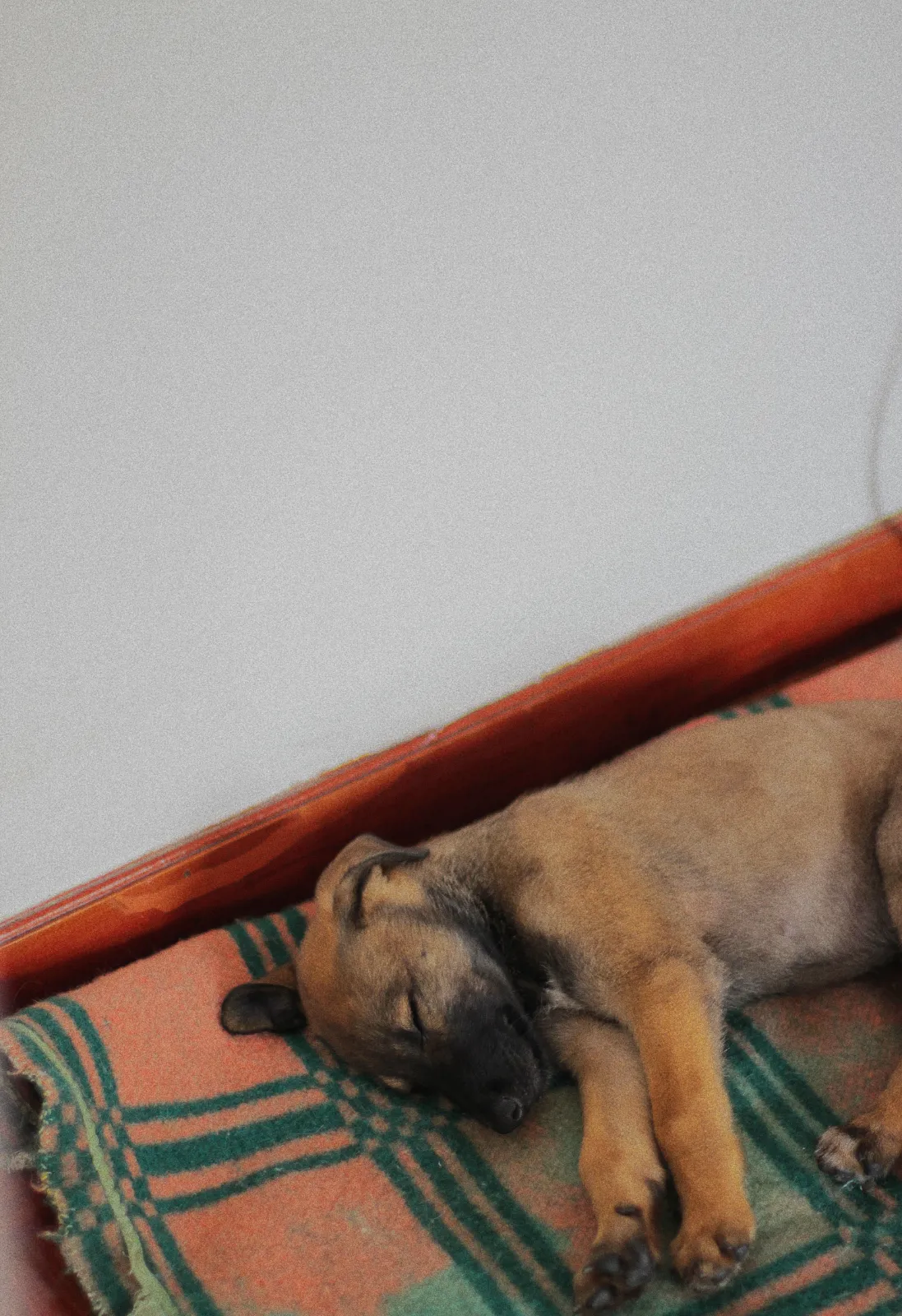
Featured photo: A puppy sleeps on a plaid blanket indoors. Photo: Vickie Intili / Pexels.
Prepared with AI assistance and reviewed against the sources above.