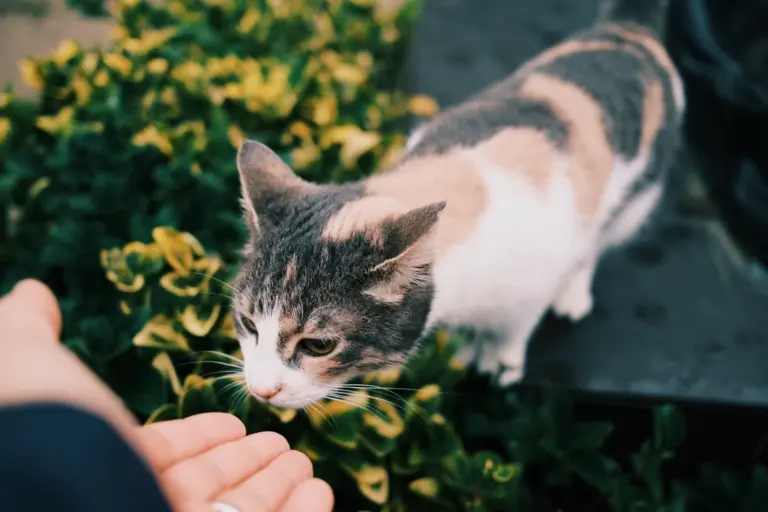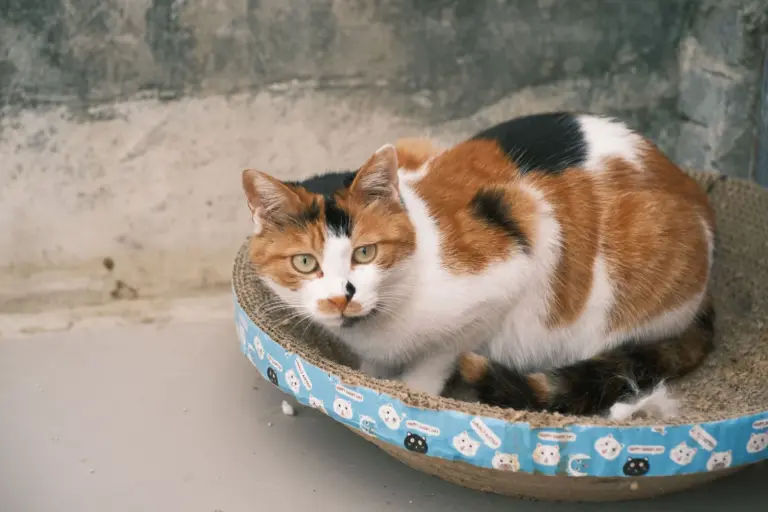
Why does my cat want to go outside so badly? Outdoor movement, exploration, and a familiar routine can be appealing, while blocked access can cause frustration. Battersea describes unmet expectations and restricted access as possible triggers. Start by securing exits, reviewing your cat’s indoor resources, and considering controlled outdoor access rather than opening the door under pressure.
Animalia’s guide helps you turn repeated door requests into a practical household plan. Your cat’s behavior is useful information, but it cannot by itself tell you which need is missing or prove that unrestricted roaming would solve the problem.
Why does my cat keep asking to go outside?
The request can reflect interest in exploration, a previous outdoor routine, or difficulty with a restriction. Battersea also identifies limited play opportunities and unwanted household interactions as possible sources of frustration. Observe the situation before assigning a motive: what your cat watches, when the request starts, and what changed inside the home.
Try a plain observation such as “waited by the back door while another cat crossed the yard.” That is more useful than deciding your cat wants a friend. A visitor outside might interest your cat, but it could also be unwelcome. Do not introduce another animal or open the exit as an experiment.
For a cat that previously went outdoors, discuss the transition with your veterinarian and review the whole home. Ohio State’s indoor-transition guide recommends an interesting indoor environment with places to rest, hide, scratch, look out, and play. Its older suggestions for startling cats at doors are not part of Animalia’s humane plan.
If the demand is sudden or unusually intense, tell your veterinarian what changed, including eating, toileting, activity, and interactions. For an unneutered cat, include that information in the conversation rather than assuming a single cause. For frustration at doors throughout the home, see our closed-door guide.
Improve the indoor options before choosing an exit plan
Use this Animalia observation table to choose one manageable change. The examples organize a home review; they do not diagnose the reason your cat asks to go outside. Keep the same basic notes when you make a change so you can describe what happened, including cases where the request did not improve.
| What you observe | What to review indoors | A practical first action |
|---|---|---|
| Requests begin during busy arrivals | A quiet retreat and the arrival route | Prepare a comfortable room before opening the exterior door |
| The cat watches movement outside | A secure viewing place and the view itself | Offer a stable perch; allow a retreat from an upsetting view |
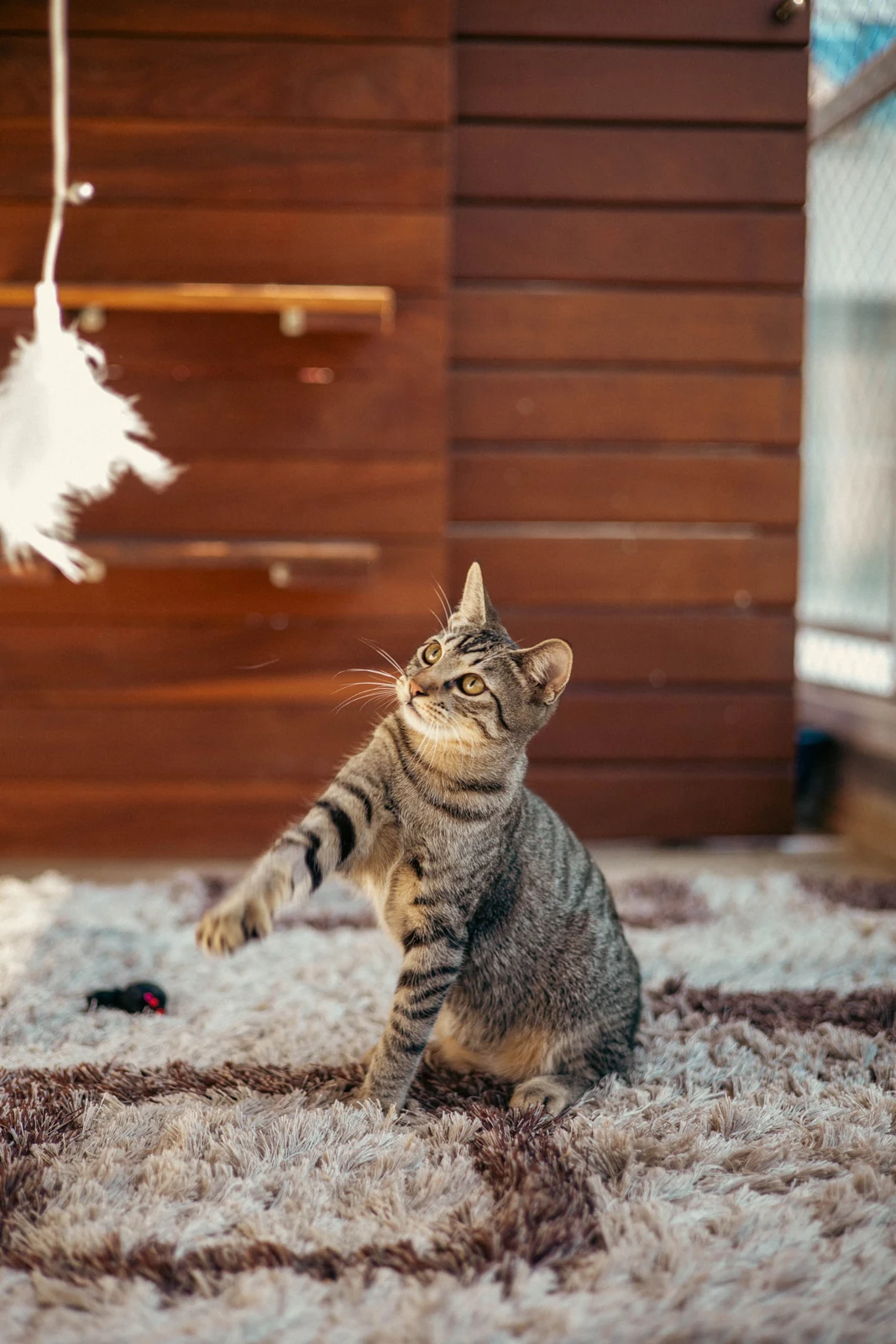
| The cat follows moving objects | Opportunities for supervised interactive play | Prepare an intact wand toy in a clear indoor area |
| Another pet blocks a route | Access to resting and essential resources | Create separate, accessible routes and ask for help with conflict |
| A former outdoor routine has changed | The transition and available indoor choices | Review the setup with your veterinary team |
Choose changes your household can maintain. A new toy left in packaging or a perch your cat cannot reach does not create a usable activity. Our indoor enrichment guide helps you plan around the space you have. Introduce options without forcing your cat to use them.
How can you prevent door dashing without punishment?
Manage the exit before someone opens it: place your cat in a comfortable, secure indoor area, then complete the arrival or departure. Agree on the same sequence with everyone at home. This is Animalia’s household planning example, not a guarantee that training alone prevents escape. Check the barrier rather than relying on attention or recall.
For example, one person prepares the room and confirms the cat is inside before another carries groceries through the exterior door. The room needs familiar resources and an appropriate place to retreat, rather than being an empty space used only during stressful arrivals. After the exterior door is securely closed, restore the normal indoor route.
A child’s gate is not automatically a secure cat barrier, and an ordinary open window is not a contained outdoor area. Check the actual route your cat could use, including gaps around screens and the space beside someone’s feet. If the household cannot maintain containment, ask your veterinarian or a qualified feline behavior professional for individual help.
Do not spray, frighten, or chase your cat away from the exit. If you practice a voluntary indoor station, begin with the exterior door closed and reward your cat away from the threshold. Keep the physical exit plan in place throughout. A reward exercise should add a useful routine rather than substitute for a closed door.
Is controlled outdoor access an option for your cat?
It may be, if it fits the individual cat and the setting. FelineVMA lists secure enclosures, cat-safe fencing, and harness-and-leash outings as controlled options. These can provide stimulation while reducing outdoor risks. They do not remove every hazard or mean that every cat enjoys being taken outside.
Before buying equipment, write down the route from the indoor room to the contained area, who checks closures, and how your cat can return indoors. Ask your veterinarian about identification and preventive care suited to the setting. Do not assume a standard garden fence contains a cat or that watching an open yard prevents escape.
For a harness plan, start with comfortable, voluntary familiarization indoors and seek individual guidance if your cat freezes, struggles, or tries to escape. Never drag your cat into an outing. An enclosure also needs shade, appropriate conditions, secure construction, and a way to end the session. The product label alone cannot assess your whole setup.
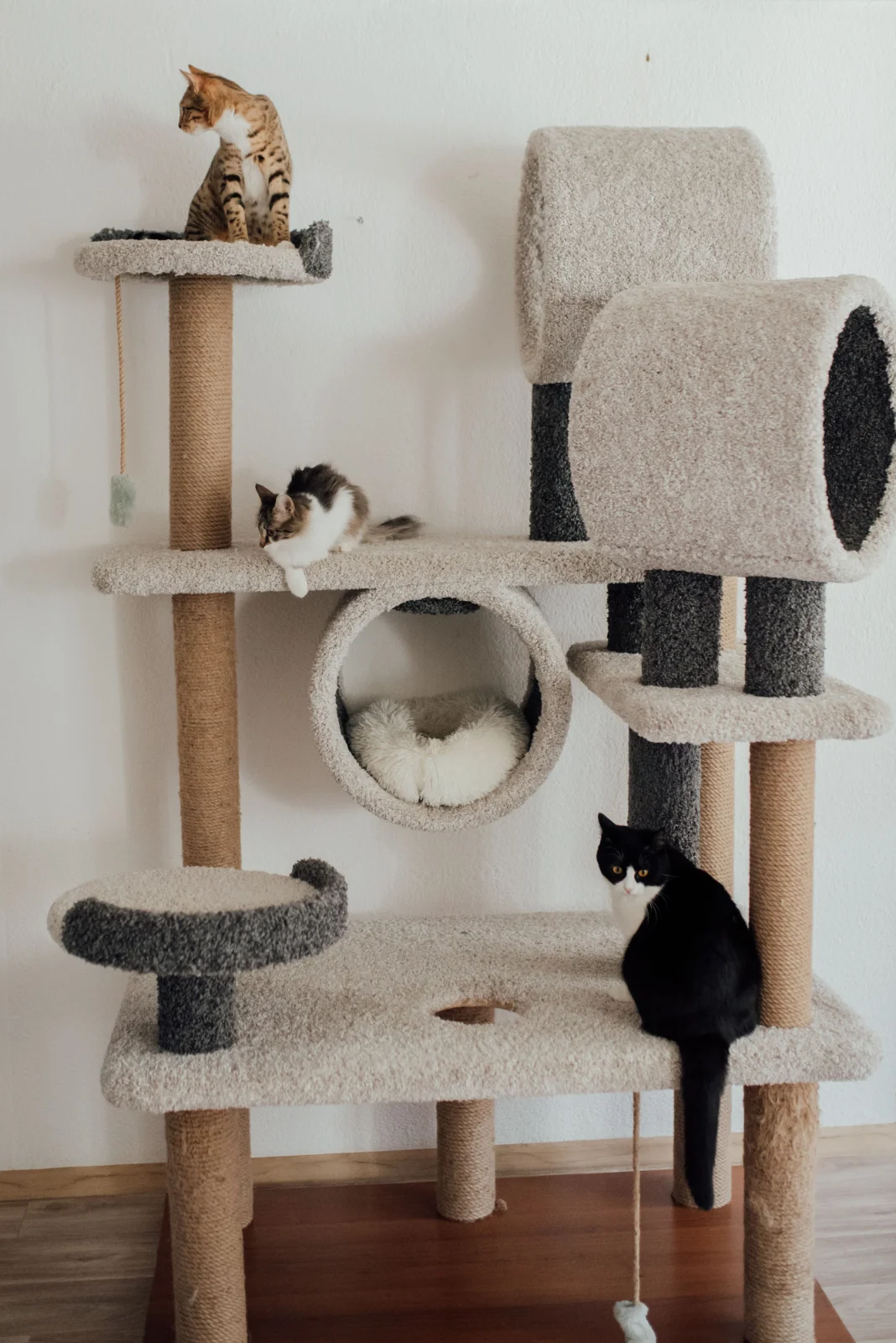
An indoor plan still deserves attention if you decide against outdoor access. FelineVMA emphasizes essential resources, safe resting places, vertical space, play, and simulated hunting opportunities for indoor cats. Our window perch guide can help you assess one viewing location, without treating the view as a replacement for other needs.
Build a plan the household can follow
Start with one exit rule and one indoor improvement rather than changing everything at once. Write down who prepares the secure room, who checks the exterior door, and where the cat can rest after the busy part of the day. Use the same practical language with visitors and anyone caring for your cat.
Then record the requests in context: the location, the activity just before them, and whether your cat also used the new indoor option. A quieter evening is useful to note, but it does not prove that a particular cause has been identified. If the behavior continues, bring the record and a description of the home to your veterinarian.
For ongoing distress or conflict, seek help with the whole situation instead of repeatedly adding gear. Animalia suggests choosing your first home change today, checking the exit route before the next arrival, and reviewing the observations with your veterinary team. Our cat behavior hub links to related questions when the request occurs alongside other changes.
Frequently asked questions
Is it cruel to keep a cat indoors?
An indoor lifestyle requires active attention to the individual cat’s needs. FelineVMA describes both the benefits and challenges of different lifestyles, rather than offering a single answer for every cat. Review usable resources, safe space, play, and household relationships. Persistent distress deserves individual professional advice; it should not be dismissed because the cat has toys or a place to sleep.
Will letting my cat out once stop the meowing?
There is no reliable promise that one outing ends the requests. Plan access around safety and your cat’s needs instead of treating it as a test of whether the meowing stops. If you choose controlled access, decide how it will work consistently. Keep an indoor exit routine as well, because a planned outing does not secure the door during other arrivals.
Should I get another cat to provide company?
Do not assume a door request means your cat wants a feline companion. Review the home and discuss the behavior with your veterinarian before making a major change. Another pet brings its own needs and may change access to space or resources. First describe what your cat actually does around other animals, rather than using the request as evidence of loneliness.
How long does an outdoor-to-indoor transition take?
The sources used here do not establish a fixed timetable for every cat. Ohio State describes making the indoor environment interesting and allowing a cat to explore at its own pace. Keep a practical record and arrange help if your cat remains distressed. A calendar deadline should not replace an assessment of whether the current setup meets that individual cat’s needs.
What should I do if wanting out is a new behavior?
Check that exits are secure, note what changed, and contact your veterinarian about a sudden or persistent behavior shift. Include changes in appetite, toileting, movement, and interactions, as well as any recent household disruption. Do not decide from a door request that your cat has a medical condition or needs a supplement. Ask what observations the clinic would like you to bring.
Sources and editorial notes
Animalia Editorial. Reviewed November 4, 2026. Practical household planning, not veterinary diagnosis. Examples are illustrative, not results of a product test. See our editorial policy.
Battersea: feline frustration; FelineVMA: indoor and outdoor lifestyles; Ohio State: bringing cats indoors.
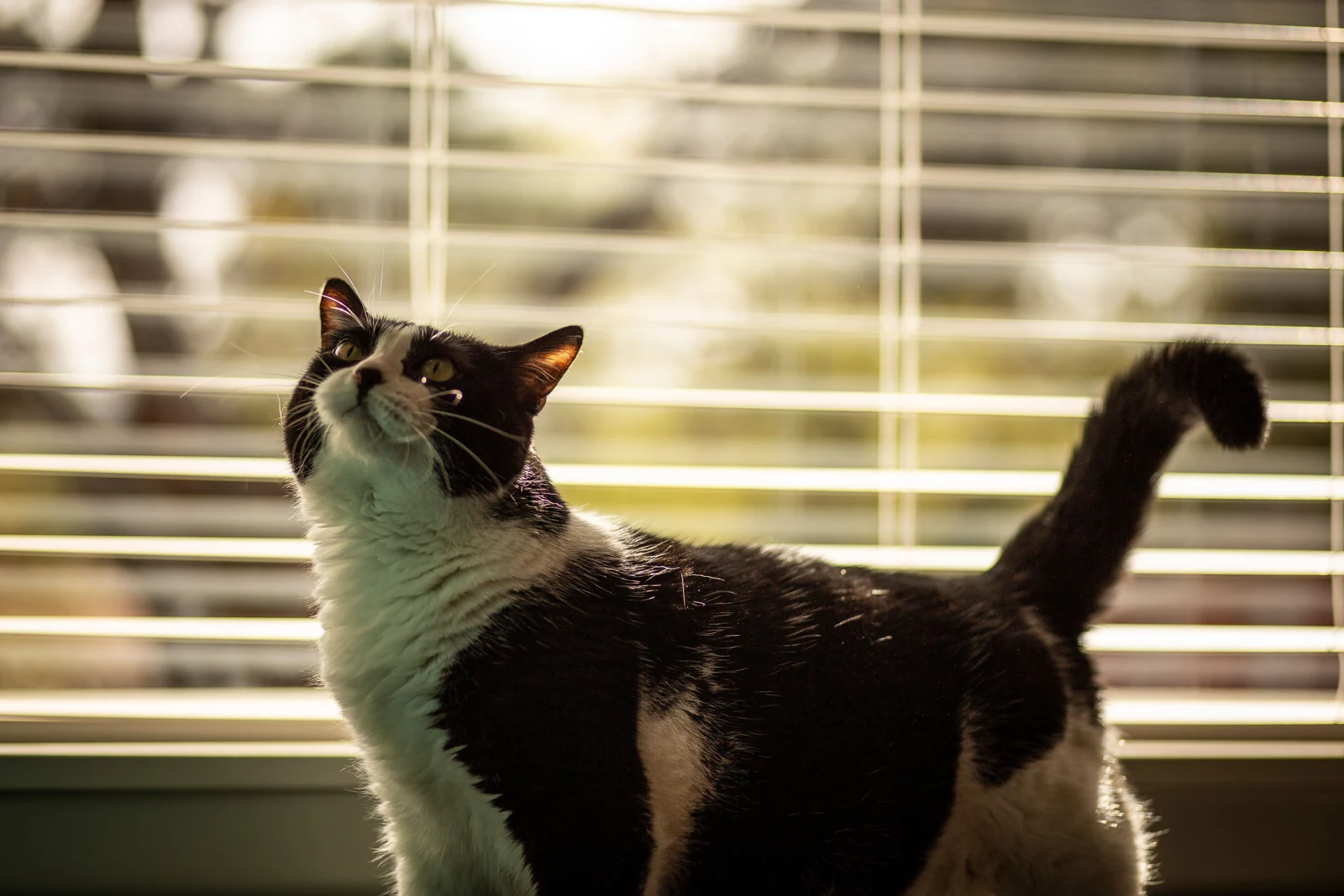
Featured photo: A black and white cat stands beside closed window blinds. Photo: Trev W. Adams / Pexels.
Prepared with AI assistance and reviewed against the sources above.