Before bringing a puppy home, prepare a safe resting area, basic care supplies, a bathroom plan, and a veterinary appointment. Decide who will handle daily care and keep the first days calm. A small, organized setup is more useful than a house full of unfamiliar toys.
This checklist focuses on preparation. Your veterinary team should guide vaccination, parasite prevention, feeding concerns, and appropriate exposure to public places.
Arrange care before collection day
- Choose a veterinary practice and keep its contact and emergency arrangements accessible.
- Confirm the puppy’s current food and feeding routine with the previous caregiver.
- Ask for available health, identification, and care records.
- Plan safe transport using equipment appropriate for the puppy and vehicle.
- Agree on who covers meals, bathroom opportunities, supervision, and overnight care.
- Check identification and registration requirements where you live.
A shared care note helps avoid accidental duplicate meals or missed breaks. Keep it simple: current food, care contacts, where supplies live, and any instructions already provided by the puppy’s veterinary team.
Buy the essentials first
| Item | What to look for |
|---|---|
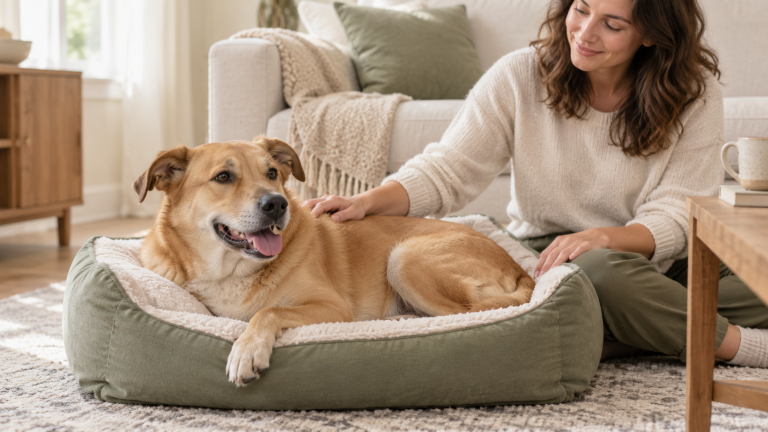
| Bed or resting space | Comfortable, washable, and placed away from constant disturbance |
| Food and water bowls | Stable, easy to clean, and suitable for the puppy |
| Current food | Enough to maintain the familiar diet while you discuss future needs |
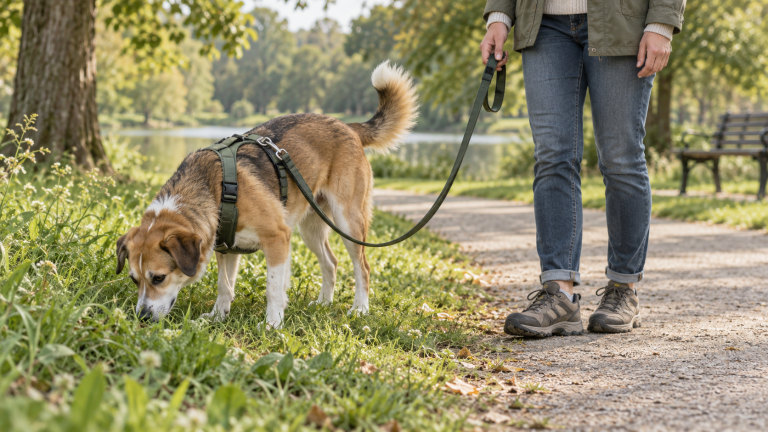
| Collar, harness, and leash as appropriate | Correct fit with room for regular fit checks as the puppy grows |
| Safe toys | Suitable size and construction, without loose pieces |
| Cleaning supplies | Appropriate for surfaces and securely stored |
| Gates or a suitable pen if needed | Secure installation and no trapping hazards |
Do not stockpile every product in advance. You will learn which surfaces, toys, and resting places suit your puppy. Inspect items frequently as chewing habits and body size change.
Puppy-proof one manageable area
Get down to the puppy’s level and look for reachable cables, cleaning products, medicines, small objects, food waste, and unstable furniture. Secure bins and restrict access to risky rooms. Check doors and any outdoor boundary before relying on them.
Remove things the puppy could swallow or pull down. Keep household rules clear: the puppy’s resting space is not a place for children to crowd, and play should happen with suitable toys under supervision. A gate helps only if it is securely fitted and people use it consistently.
Keep arrival day quiet
Blue Cross advises a calm first period and avoiding too many visitors. Give the puppy time to investigate a manageable space, locate water, and rest. A familiar item from the previous home may help if it is safe and clean.
Show the planned bathroom area and provide frequent appropriate opportunities as part of the care routine. Reward success calmly. If an accident happens, clean the area and review the timing; punishment does not tell a puppy where to go next time.
Avoid planning an immediate tour of crowded places. Ask your veterinary team how to balance safe experiences with the puppy’s current health and vaccination situation.
Use the first week to learn the puppy’s rhythm
Observe when the puppy wakes, eats, needs a bathroom opportunity, plays comfortably, and rests. Build a flexible routine around those observations. Our daily routine guide is a framework to adapt, not an adult schedule to impose unchanged.
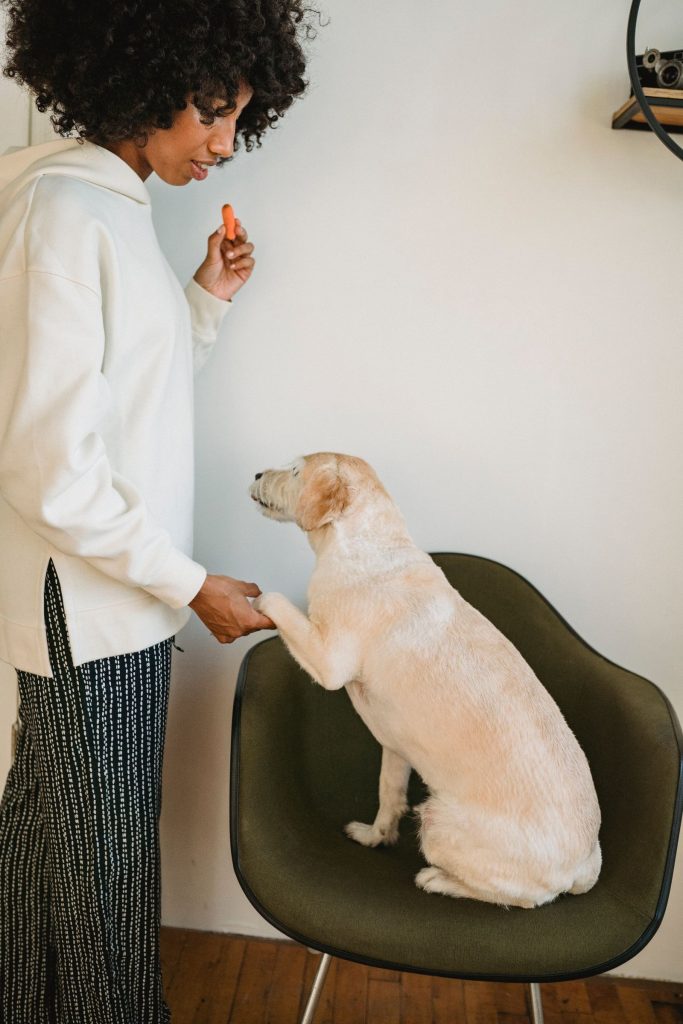
Introduce brief, easy training using rewards. Begin with one skill in a quiet space, and keep sessions manageable. Our reward-based training guide explains how to start without force or intimidation.
Make nighttime and time away part of the plan
Decide where the puppy will rest and who responds to overnight care needs. Keep the environment calm and the route to the bathroom area practical. A young puppy’s needs will not necessarily fit an uninterrupted adult night’s sleep.
Plan human availability rather than expecting immediate independence. Introduce changes gradually and seek advice if distress persists. A pen, crate, or toy is not a substitute for the care and supervision the puppy needs.
Keep a shared plan for play as well as meals and rest. Our calm response to puppy mouthing explains toy alternatives, pausing a rough game, and when to ask for qualified help.
First-week review checklist
- All caregivers know the feeding and bathroom plan.
- Equipment still fits and remains undamaged.
- The puppy has undisturbed opportunities to rest.
- Hazards discovered during play have been removed.
- Veterinary records and appointments are organized.
- Training remains short, easy, and reward-based.
Common questions
Should I change the puppy’s food immediately?
Start with the familiar diet unless your veterinary team advises otherwise. Discuss suitable food and any transition rather than improvising several changes on arrival day.
Do I need lots of toys?
A few suitable options and attentive supervision are enough to begin. Later, add safe activities from our indoor enrichment guide.
When can the puppy go to public places?
Ask your veterinary team for advice based on the puppy’s vaccination status and local risks. There is no universal date this checklist can safely supply.
For the first training steps, use our calm introduction to a puppy crate for voluntary entry and door practice, and our puppy leash introduction for comfortable gear handling and the first indoor steps. Choose the guide that fits the skill your puppy is ready to practice.
Sources and editorial notes
Supporting guidance: Blue Cross: bringing your new puppy home and caring for your puppy. This is a preparation checklist, not a veterinary care schedule.
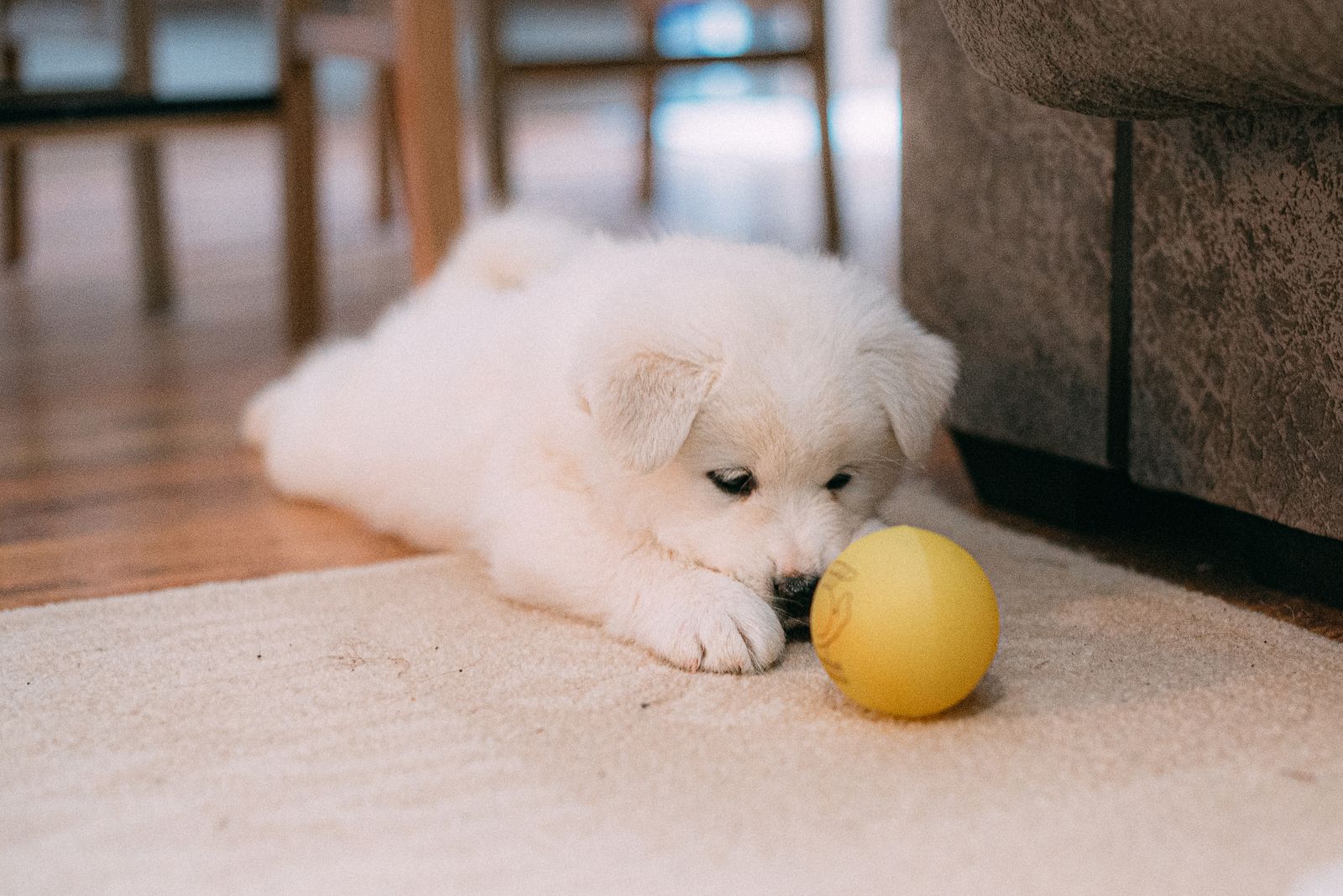
Featured image: A puppy exploring a toy at home; choose toys suitable for the individual puppy. Photo: Tanya Gorelova / Pexels.