For puppy training involving aggressive behavior, first prevent another unsafe interaction, give the puppy space, and call your vet and a qualified reward-based behavior expert. AVSAB recommends humane methods and changes to the home setup for serious behavior concerns. Avoid punishment or deliberately provoking a response, and record the situations that worry you so the expert can assess them.
Growling, snapping, or biting deserves attention without deciding that a puppy is bad or beyond help. Animalia’s first-step plan helps you make what is happening more manageable while arranging a review of your puppy. It is not a diagnosis or a complete treatment program for a puppy who may hurt someone.
Is the puppy playing, mouthing, or showing a serious concern?
Puppy mouthing can be part of play and exploration, but painful, intense, frightening, or hard-to-interrupt behavior needs support. Look at the whole situation and body language rather than one sound or action. If you are unsure, create space and ask a trained expert instead of testing whether the puppy will bite again.
Dogs Trust distinguishes ordinary mouthing from behavior involving tension, warning signals, and a need for space. That distinction can be difficult to make without help. A growl during toy play and a stiff puppy snapping when approached over food may need different responses, but an article cannot assess your puppy’s case.
| What worries you | Useful information to record | Safer next step |
|---|---|---|
| Rough or painful play | What happened before and how easily play stopped | Pause the interaction and seek help if it is intense or worrying |
| Tension around food or an object | Where the puppy was and who approached | Keep people and other pets clear; do not test by taking it |
| Growling during handling | Which movement or contact preceded the response | Stop the difficult handling and ask your vet for advice |
| Snapping or a bite | The situation and any injury | Prevent a repeat and arrange appropriate professional support |
The table is an observation aid, not a way to classify aggression at home. If you cannot keep everyone safe, ask your own vet for prompt help. For ordinary puppy play that remains safe, the puppy biting and mouthing guide offers related practical care ideas.
Six first steps while arranging professional help
1. End the difficult interaction without a struggle
Stop approaching, touching, or continuing the activity that appears to be causing difficulty, and create space when you can do so safely. Do not corner the puppy or force them to stay close to something worrying. Dogs Trust recommends avoiding difficult situations and calmly moving away while arranging support. The immediate aim is safety, not proving obedience.
2. Prevent a repeat using a safe home setup
Arrange suitable separation from visitors, children, or other animals when an interaction could be unsafe, while keeping ordinary care available. A secure barrier or different routine may help, but the arrangement must fit the puppy and home. AVSAB includes changes to the home setup and safety in behavior plans. Ask for help if you cannot maintain a safe setup.
3. Contact your own vet with the actual concern
Describe the growling, snapping, biting, or handling difficulty and ask what to do before the appointment. Banfield lists sudden or severe aggression and signs of pain as reasons to contact the vet. A veterinarian can assess health factors and recommend the right behavior support. Do not decide that pain or illness is absent because the puppy is young.
4. Write observations without recreating the incident
Note who was present, where the puppy was, what happened immediately before the response, and what helped everyone move apart. Include relevant health or care changes for the vet. Do not approach the bowl again, repeat painful handling, or invite another close greeting to gather more evidence. Existing observations are more useful than another unsafe test.
5. Choose qualified, reward-based behavior support
Ask your veterinarian for a professional with suitable credentials and experience in puppy behavior and aggression concerns. Explain the safety issue before attending a class or lesson. AVSAB recommends humane methods and appropriate professional referral. Ask what methods will be used, how the puppy can opt out, and how the plan will keep people and animals safe.
6. Practice only manageable skills within the agreed plan
When your puppy can participate comfortably, reward small, achievable actions in a suitable setting. Do not place them near a trigger to see whether a cue works under pressure. Our reward-based training guide explains the general method, while the plan from your behavior expert should determine what is appropriate for this puppy and situation.
Understand warning signals without punishing them
Dogs Trust explains that tense body language, growling, or bared teeth can communicate an immediate need for space. Respond to that information and avoid escalating the encounter. Do not grab the puppy or continue the same interaction to show that a warning will not work.
A puppy who stops growling after being frightened has not necessarily become comfortable with what is happening. AVSAB advises against methods using fear, pain, or intimidation. The goal is a safer setup and appropriate learning, with professional help for the underlying concern, rather than a quieter outward response alone.
If touch appears to be difficult, pause and tell your veterinarian what happened before trying again. Ask for a handling plan that fits any health assessment. Animalia recommends keeping observations specific: describe the body position, contact, and response instead of relying only on a label such as dominant, stubborn, or aggressive.
How do rest, resources, and household routines help?
Predictable care and manageable surroundings can reduce avoidable pressure, but they do not diagnose or cure an aggression concern. Provide suitable rest, water, meals, safe activities, and space around valued resources while following professional advice. The household should share the same safety instructions instead of each person trying a different response to the puppy.

Use the daily care routine guide to review gaps in ordinary care, and the household training consistency guide to communicate the plan. Good organization supports the assessment and learning process. It does not mean more exercise or stricter rules will automatically resolve a bite risk.
Resting equipment should remain a comfortable care option. If you use a crate, follow the positive puppy crate-training guide and avoid using it to punish or force the puppy through distress. A professional can help choose management that protects everyone while still meeting the puppy’s needs.
For food or object concerns, prevent unneeded approaches and avoid taking items to test the puppy’s tolerance. Share the exact situation with your professional. If something dangerous is involved, call your own vet for immediate advice instead of grabbing for it and risking a bite.
Review progress with the people supporting your puppy
A useful review asks whether the safety arrangement works, whether the puppy can participate comfortably, and whether the next step is still suitable. Dogs Trust describes management as support while longer-term learning develops. The absence of a recent incident is helpful information, but it does not prove that a previously difficult situation is now safe.

Keep follow-up appointments and tell the expert about new concerns or practical problems following the plan. Avoid a promise that a puppy will be fixed in a particular number of days or sessions. A responsible plan depends on the individual assessment, the cause of the difficulty, and what the household can safely provide.
Dogs Trust advises veterinary contact for sudden behavioral changes involving aggression. Seek prompt help if safety is deteriorating or anyone is injured, and urgent help when there is an emergency. Animalia’s practical aim is earlier support and fewer unsafe repetitions, not waiting until a young puppy grows out of a concerning pattern.
Frequently asked questions
Does growling mean my puppy is aggressive?
A growl alone does not explain the whole situation. Play, discomfort, fear, or a need for space can require different responses, and the puppy’s body language and context matter. If you are worried, stop the interaction, create space safely, and ask for help. Do not repeat what is happening or punish the growl to find out what the puppy means.
Can I solve puppy aggression by being stricter?
Do not use fear, intimidation, or pain to address the concern. AVSAB recommends humane reward-based methods, including for serious behavior problems, with safe care and the right expert help. Clear care arrangements and safe boundaries are useful, but confrontation is not a substitute for assessment. Ask your veterinarian and a qualified behavior professional how to respond in the specific situation.
Should I take food or toys away to prevent guarding?
Do not provoke a response by repeatedly taking valued items or approaching a puppy who is tense around them. Keep other people and pets clear and arrange professional advice. Describe what you have already observed without recreating the incident. If a dangerous item or possible ingestion is involved, contact your own vet for immediate guidance rather than risking a struggle.
When should I contact a vet about puppy biting?
Call your vet about sudden, severe, painful, or worrying behavior, particularly when handling seems uncomfortable or there are other health changes. Banfield identifies sudden or severe aggression and signs of pain as reasons to call. Arrange qualified reward-based behavior support as advised. A puppy’s age does not rule out a concern or make repeated unsafe interactions an appropriate learning strategy.
How long does training for aggressive behavior take?
There is no reliable deadline for every puppy and every situation. The plan should follow a review of your puppy and include practical safety measures, suitable learning, and follow-up. Ask the expert what progress will look like and how to adjust if the puppy struggles. Avoid guaranteed rapid fixes, and keep the management plan in place until the supporting team advises an appropriate change.
What should you do before the next difficult situation?
Arrange a safer setup, share the plan with caregivers, and contact your own vet and qualified behavior professional. Record existing observations without provoking another response. Return to Animalia’s reward-based learning guide for the general method, while using individual advice to decide which steps are suitable for your puppy now.
Sources and editorial notes
- AVSAB: Humane dog training position statement
- Dogs Trust: Mouthing, nipping, and biting
- Dogs Trust: Understanding reactive behavior
- Banfield: Puppy behavior and training
- Dogs Trust: When to call your vet
Animalia Editorial. Publication date: October 30, 2026. Sources checked October 29, 2026. See our Editorial Policy. This guide supports everyday care and does not provide veterinary diagnosis or treatment.
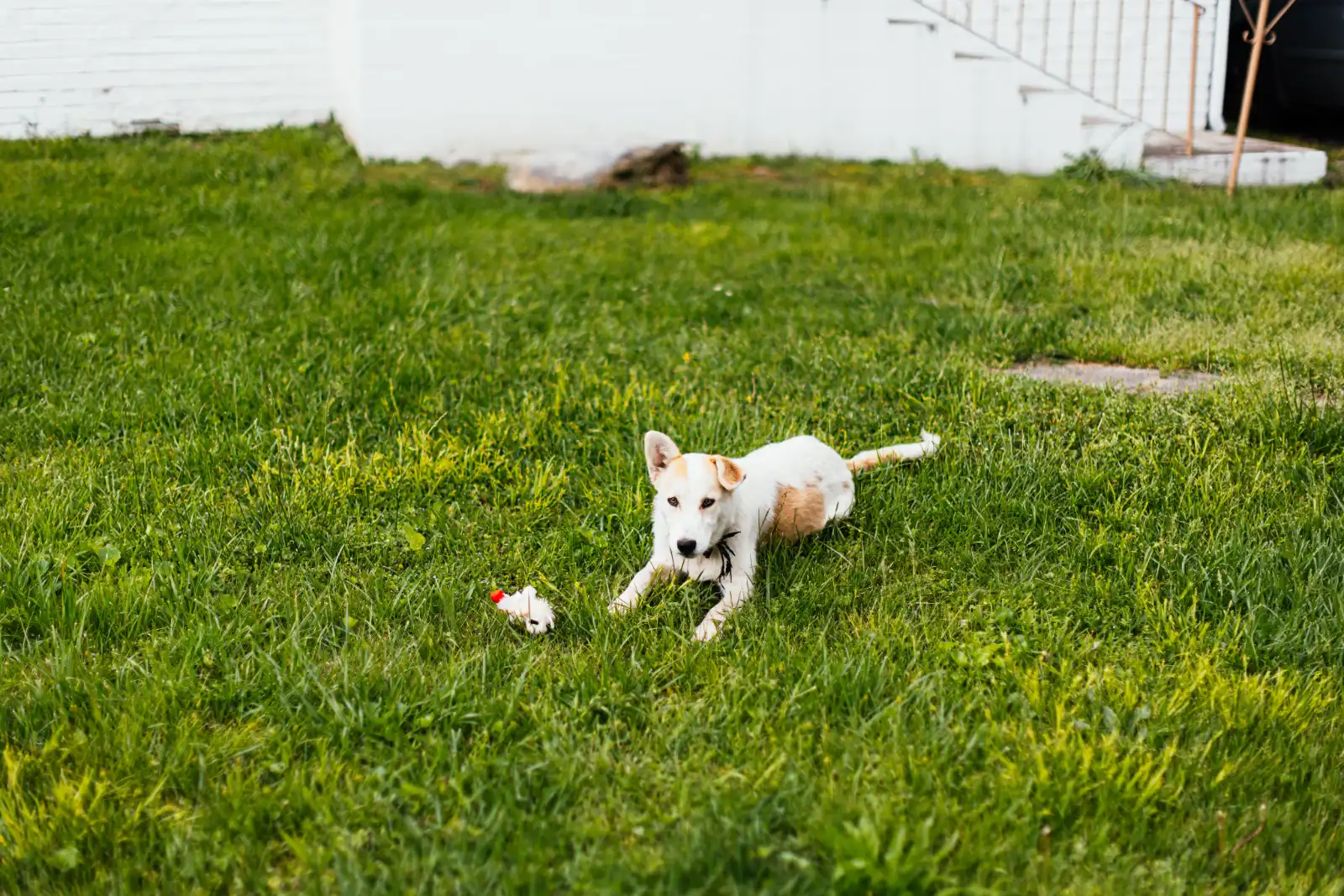
Featured photo: A puppy plays near a small toy on a lawn. Photo: K / Pexels.
Prepared with AI assistance and reviewed against the sources above.