Animalia may earn a commission from qualifying purchases through affiliate links, at no extra cost to you. This guide currently contains no active affiliate purchase links. Our picks are not paid placements.
The best chew toys for puppies match the puppy’s mouth, chewing strength, and current teeth. Our overall starting pick is KONG Puppy for its soft rubber and size range, with Goodie Bone, Tires, or Binkie offering different shapes. Choose Nylabone’s Freezer Bone Cloth only for a puppy who leaves fabric intact.
Top picks by use case
Best overall: KONG Puppy , a fillable rubber toy with four puppy sizes.
Best budget shape: KONG Puppy Goodie Bone , a simple bone with treat openings.
Best low-profile ring: KONG Puppy Tires , with a recessed filling track.
Best alternate grip: KONG Puppy Binkie , a pacifier-shaped rubber option.
Best purpose-built chilling option: Nylabone Puppy Chew Freezer Bone Cloth , with a fabric component that needs close inspection.
How we chose
We selected these products through research, not hands-on testing. Animalia used AKC puppy guidance, AAHA hardness screening, and ASPCA and PDSA safety advice. We compared manufacturer materials, size guides, age warnings, and cleaning instructions with current Chewy listings on November 4, 2026. Retailer questions were checked for size confusion; they cannot establish a failure rate or replace current manufacturer instructions. We did not measure chew life, make a durability promise, or claim that a veterinarian endorsed these specific picks. Manufacturer details can change.
Compare the five puppy chew toys
Price bands compare the checked versions: $ means the lower-cost group and $$ the higher-cost group within this shortlist. Prices change; check the retailer. Availability and size choices can also change. All five checked Chewy listings showed in stock, and none is an edible chew or a treatment for dental pain.
| Product | Best for | Key specs checked | Band | Main pro | Main con |
|---|---|---|---|---|---|
| KONG Puppy | First rubber option | Natural rubber; XS, S, M, L | $–$$ | Broad puppy size range | Soft formula can be damaged |
| Goodie Bone | Budget bone shape | Natural rubber; Small: 5.25 × 1.25 × 2 in. | $ | Two filling ends | Ends need cleaning |
| Puppy Tires | Recessed ring shape | Natural rubber; Small: 3.5 × 1.25 × 3.5 in. | $ | Low-profile shape | Small-size guidance differs across pages |
| Puppy Binkie | Different grip shape | Natural rubber; Small: 2.5 × 2.5 × 4.75 in. | $ | Another fillable shape | Only S/M on checked listing |
| Freezer Bone Cloth | Supervised chilling | Small/Regular; up to 25 lb; 8 × 4 × 1 in. | $$ | Designed for chilling | Fabric is unsuitable for shredders |
How do you choose a puppy chew toy safely?
Start with a toy intended for chewing, then check mouth fit, flexibility, and the puppy’s behavior. AAHA recommends a thumbnail indentation and slight bending when screening hardness. These checks help reject unsuitable toys; they cannot certify a product as safe. Stop using any toy your puppy can tear into swallowable pieces.
Animalia’s buying order is purpose, fit, material, then price. This prevents a cheap multipack from deciding the choice before you know whether its toys suit your puppy. Read the age warning on the exact package and compare the actual toy with your puppy, rather than relying only on breed labels or a seller’s photograph.
Check the exact size, not just the weight label
PDSA says the whole toy should not fit completely inside the dog’s mouth. Use the manufacturer’s size chart as an initial filter, then check the toy’s widest part against the individual mouth. Do not force a puppy’s mouth open to measure it, and ask your veterinarian before offering the toy if fit is uncertain.
For KONG Puppy, the manufacturer lists XS up to 5 pounds, S up to 20, M at 15–35, and L at 30–65. These overlapping ranges are guidance rather than permission to use a swallowable toy, and KONG advises sizing up when unsure. Recheck as the puppy grows, and prevent a larger household dog from taking a smaller puppy toy.
Separate chew toys from play toys
A ball, plush animal, or rope may suit a particular play activity without being suitable for sustained chewing. PDSA makes this distinction explicitly. Inspect seams, cords, fabric, and openings before use. A “puppy” label does not remove those checks, and older puppies do not automatically need hard nylon simply because adult teeth are appearing.
Avoid very hard bones, antlers, and rigid items that fail the hardness screen. For a filled toy, use only food already suitable for your puppy and account for it in their normal meals. Follow that product’s chilling instructions because a label intended for general play does not automatically mean the toy tolerates freezing. Our puppy teething timeline explains the developmental context.
The picks: strengths, limits, and who should skip them
KONG Puppy: the overall starting option
KONG Puppy is a hollow natural-rubber toy for gentle chewers, with four puppy sizes and a formula the manufacturer identifies for beginning to light chewers. This makes it an overall starting choice, although individual preferences still matter. Check the manufacturer’s size and age guidance.
Pros: Four sizes provide more fit options; the hollow center allows filling; the shape supports chewing and rolling; natural rubber avoids a fabric covering. Cons: The soft formula is unsuitable if your puppy damages it, food left inside adds cleaning work, and this puppy model is not recommended over nine months.
Key specs: 100% natural rubber; XS, S, M, L. Small measures 1.75 × 1.75 × 3 inches on the manufacturer’s page. The checked Chewy listing is Blue, Small, with other size options. Skip it if the whole toy fits inside the mouth or your puppy tears pieces away. KONG Puppy .
KONG Puppy Goodie Bone: a budget alternate shape
The Goodie Bone is a soft natural-rubber bone with filling openings at its ends, so consider it as an alternate to a hollow upright toy. A different shape offers variety without proving greater comfort or stronger construction. KONG’s current Goodie Bone page supplies the specifications used here.
Pros: A narrow middle offers a different grip; two ends accept filling; the rubber body has no attached rope. Cons: Filling can remain in the end openings; the small version may soon be outgrown; soft rubber still requires checks for damage. Budget positioning compares the checked small versions, rather than guaranteeing the lowest price everywhere.
Key specs: Small Blue, model KP31BL, 100% natural rubber, 5.25 × 1.25 × 2 inches; manufacturer size guide up to 20 pounds. Skip it if your puppy can swallow the shape or is over the manufacturer’s nine-month puppy age limit. Choose the plain bone, not a similarly named rope variation. KONG Puppy Goodie Bone .
KONG Puppy Tires: a low-profile rubber ring
Puppy Tires has a recessed inner track for filling, while its flatter ring shape offers an alternative to the upright KONG Puppy. Begin with supervision because shape alone cannot predict preference. The current manufacturer page is the basis for these Small specifications.
Pros: Natural rubber without a fabric cover; a recessed filling area; a low-profile alternative to the upright toy. Cons: The inner track requires inspection and cleaning; small-size weight advice differs between current manufacturer guidance and older retailer answers; soft rubber is unsuitable for a puppy who removes chunks.
Key specs: Small KPT21BL, 3.5 × 1.25 × 3.5 inches, 100% natural rubber. KONG currently shows up to 20 pounds; do not use an older retailer answer’s higher range as a fit guarantee. The checked Chewy Small listing ships a varying color. Skip it if mouth fit or package sizing is uncertain, or your puppy is over nine months. KONG Puppy Tires .
KONG Puppy Binkie: another fillable grip
The Binkie uses a pacifier-style rubber shape with a fillable center, so consider it when a puppy prefers alternatives to an upright toy or bone. Its resemblance to a baby’s pacifier does not establish a medical soothing effect. KONG lists the material and dimensions for the exact Small model.
Pros: A different shape to explore; natural rubber without loose fabric; a center that accepts filling. Cons: The checked retailer page offers only Small and Medium; the center needs cleaning after food use; the soft puppy material is unsuitable when your puppy bites pieces away. There is no guaranteed calming effect.
Key specs: Small Blue KP37BL, 100% natural rubber, 2.5 × 2.5 × 4.75 inches; manufacturer guide up to 20 pounds. Skip it if the fit is too small, the puppy damages the rubber, or the puppy is over nine months. Use the current manufacturer warning rather than an old retailer question suggesting adult use. KONG Puppy Binkie .
Nylabone Freezer Bone Cloth: for careful supervised chilling
This puppy toy combines soft material, cloth, and filling wells intended for chilling, but a puppy who shreds fabric should skip it. Nylabone’s current page identifies the Small/Regular version with lamb-and-apple flavor. Check this model rather than assuming older flavors share its specifications.
Pros: Designed for chilling; filling wells provide another activity format; the manufacturer gives a clear small-puppy weight guide. Cons: Fabric adds an ingestion concern for puppies who pull threads; hand washing is required; the checked version is limited to puppies up to 25 pounds. Flavor does not make this non-edible toy food.
Key specs: Small/Regular, 8 × 4 × 1 inches, UPC 018214846246. The maker describes soft material and cloth without naming the polymer, so we do not label it nylon. Skip it if your puppy shreds fabric or exceeds the size guide. Follow package freezing instructions, hand wash, rinse, and inspect before reuse. Nylabone Puppy Chew Freezer Bone Cloth .
What should supervision and replacement look like?
Stay close enough to notice damage and calmly end the session before your puppy has a chance to swallow pieces. ASPCA advises active observation and immediate veterinary contact after a chunk is consumed. Remove worn, torn, or undersized toys. Even if a toy survived an earlier session, it can become unsuitable as the puppy grows or changes chewing style.
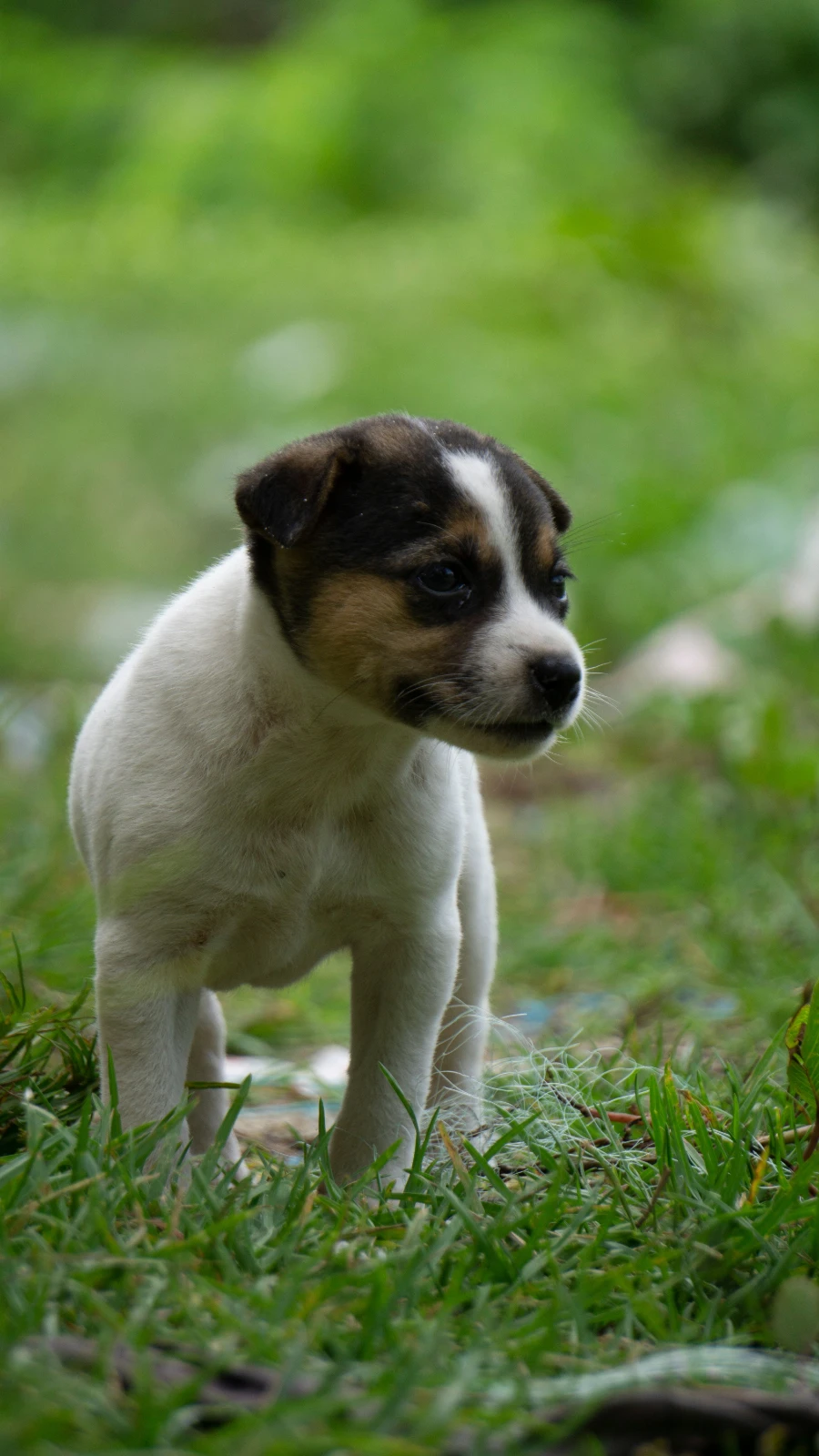
Animalia’s practical check is simple: look at the whole toy before use, watch how the puppy handles it, and inspect it again afterward. If the puppy repeatedly attacks a seam, strips cloth, or removes rubber, retire that choice instead of testing how much more it can withstand. Keep the damaged item for identification if your veterinarian needs details.
Can toy rotation help without buying more?
Yes, you can rotate suitable toys you already own instead of continually adding new ones. PDSA recommends rotation to maintain interest. Keep damaged or unsuitable items out of the rotation, and include different supervised activities. A new chew toy does not replace rest, companionship, toilet breaks, or help with a persistent behavior concern.
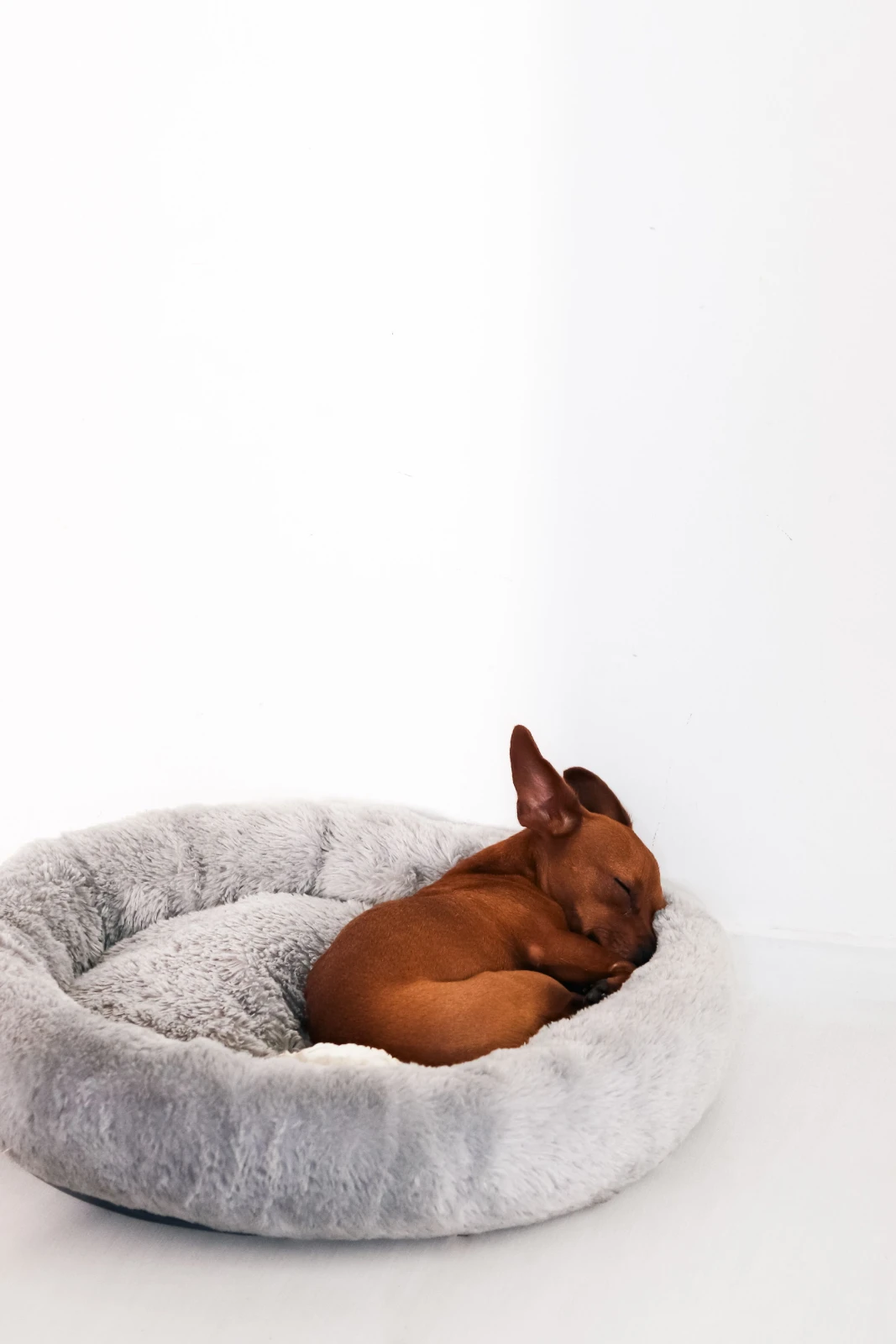
Keep the active choice manageable enough to inspect and clean, while recording which shape the puppy uses without damage. For hand biting, follow our reward-based puppy biting guide. For more varied activities, see puppy enrichment ideas.
FAQ
Are any puppy chew toys indestructible?
No toy deserves that assumption because KONG explicitly says no dog toy is indestructible, especially when a puppy removes pieces from soft rubber. Check fit and condition every time, and remove a broken toy rather than continuing because the brand calls it durable. Contact your veterinarian immediately if your puppy may have swallowed a chunk.
Can a puppy have a frozen chew toy?
When choosing a cold activity, use only a toy whose manufacturer permits that use and follow the exact model’s instructions. Nylabone’s listed Freezer Bone Cloth is designed for chilling, but its fabric still needs supervision. A cold toy is optional, so ask your veterinarian about unusual pain, reluctance to eat, or other concerns instead of assuming teething explains everything.
Are rope and plush toys good teething chews?
Treat them as separate play categories unless the specific product is designed for chewing and suits your puppy. PDSA warns that many ropes and soft toys are intended for supervised play, with threads or stuffing creating hazards. Because carrying a plush gently differs from opening seams, choose around the behavior you actually see rather than the toy’s appearance.
When should I replace puppy rubber with an adult toy?
Follow the product warning and your puppy’s changing size and chewing behavior. KONG does not recommend these puppy models over nine months and advises graduating as the puppy grows. Replace an undersized or damaged toy sooner, while avoiding rigid adult toys that fail the hardness screen and discussing uncertain choices with your veterinarian.
Will these toys stop puppy biting?
They provide appropriate objects to offer, but use our puppy biting guide for gentle redirection because buying a toy cannot guarantee hand biting stops. If chewing changes suddenly or remains excessive despite a suitable routine, ask your veterinarian for advice about the next step. Compare the best puppy teething toys by fit and purpose rather than expecting a product to solve every behavior.
Your next step
Choose one suitable format, check the current package, and supervise its first use. Animalia’s puppy care and crate-training hub connects the wider home routine. Read our affiliate disclosure for how future purchase links will work. Lifestyle photos illustrate care and play, without depicting product testing.
Sources and editorial notes
Animalia Editorial. Last checked November 4, 2026 for availability, specifications, and price bands. Next refresh due February 2, 2027. Safety sources: AKC: puppy teething, AAHA: chew selection, ASPCA: chew safety, and PDSA: chewing and toy choice. Manufacturer specifications are linked beside each pick. These are research judgments, without claimed certification or veterinary endorsement.
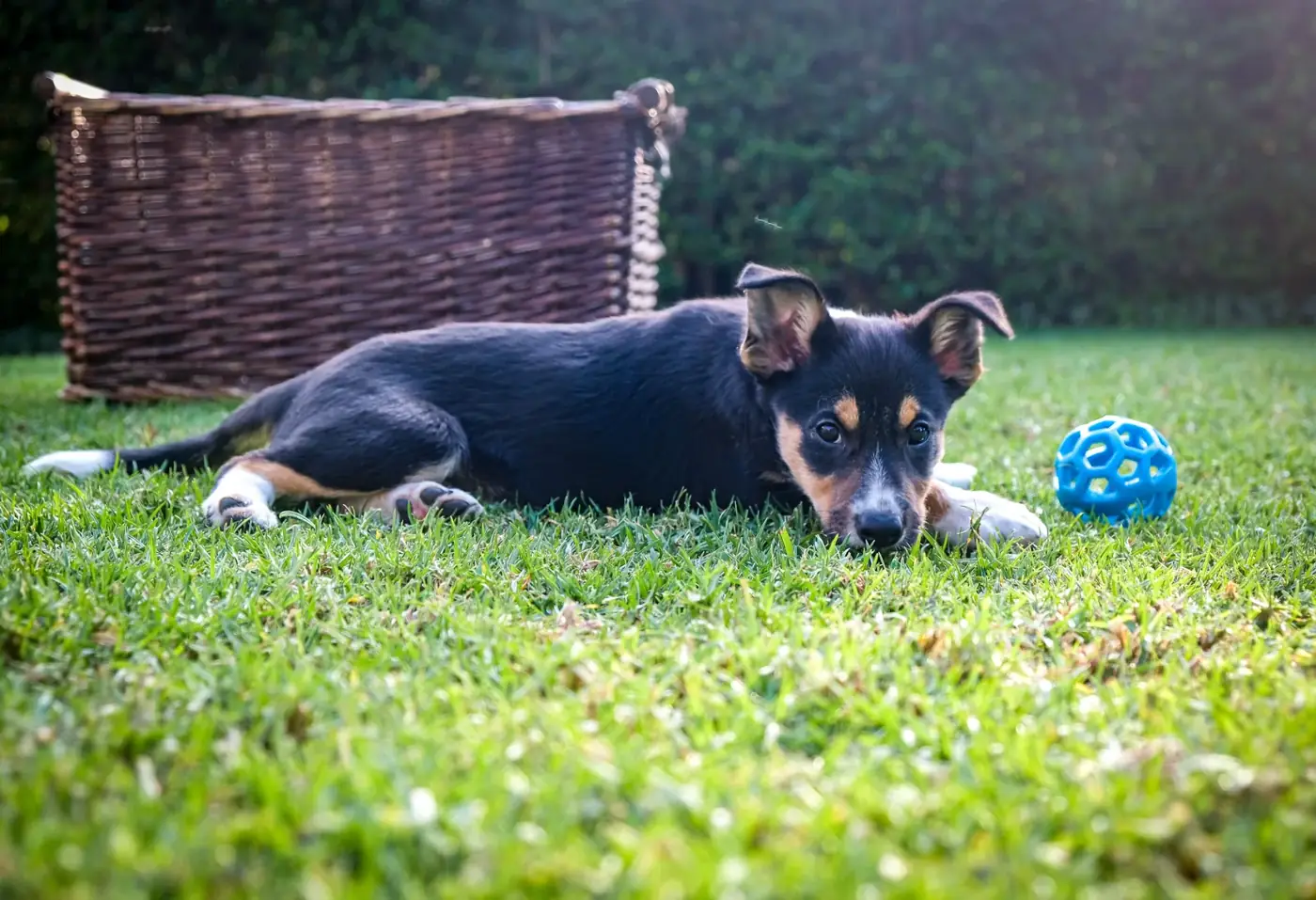
Featured photo: A puppy rests on grass beside an openwork ball. A play toy is not automatically suitable for sustained chewing. Photo: Magda Ehlers / Pexels.
Prepared with AI assistance and reviewed against the sources above.